Big game
Dall sheep
Ovis dalli
- Group
- Big game
- Size class
- Medium (10–70 kg)
- Family
- Bovidae
Range
- North America
- Arctic
Habitat
- Mountain
Range
Countries it is found in
2 countries
- Canada
- United States
Range from:ASM Mammal Diversity Database — read 2026-08-05
Chapter 01
Overview
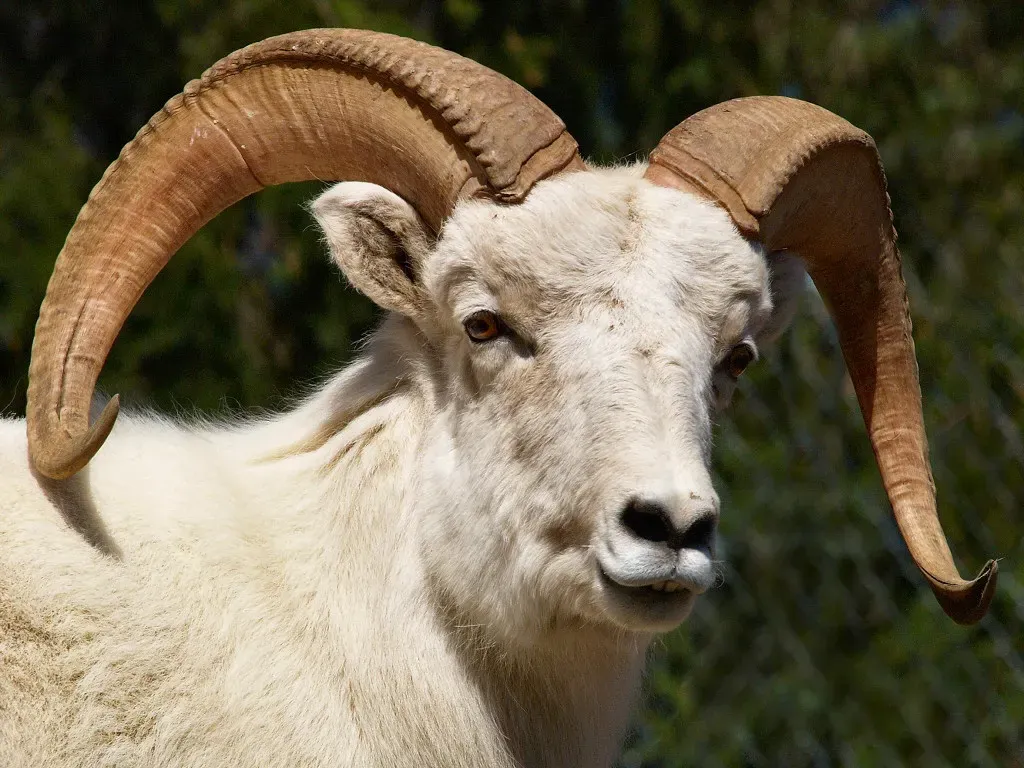
The Dall sheep or thinhorn sheep (Ovis dalli) is a wild sheep of northwestern North America, named after the American naturalist William Healey Dall. It lives in the subarctic and arctic mountains of Alaska, the Yukon, the Mackenzie Mountains of the western Northwest Territories, and central and northern British Columbia, where dry alpine tundra and meadows lie next to steep, broken ground — grazing and escape terrain together. Its closest relatives are the bighorn sheep and the snow sheep of Siberia. The white nominate form, O. d. dalli, is the Dall sheep proper; the dark Stone sheep, O. d. stonei, lives in southern Yukon and northern British Columbia. The colours grade into one another, and the intermediate Fannin sheep once taken for a subspecies are mixed animals of mostly Dall ancestry. Dall sheep are easy to see along the Seward Highway south of Anchorage, in Denali National Park and Preserve and at Sheep Mountain in Kluane.
Chapter 02
Identification
A sheep about 0.9 m at the shoulder, off-white in the Dall form and grey-brown with black belly and hind legs in the Stone sheep. The coat is a fine wool undercoat under stiff, long, hollow guard hairs, and in winter it can be more than 5 cm thick. Mature rams typically weigh 70 to 80 kg and ewes 45 to 50 kg; over a hard winter adults may lose up to 16% of their body mass and lambs and yearlings as much as 40%. Both sexes grow horns from about two months old. Ewes keep small, slender horns, and young rams look like ewes until about three, when their horns begin to grow much faster into the thick, curling horns of an adult ram. The horns grow from spring to early autumn and stop in winter, leaving rings, or annuli, that can be used to age the animal. Dall sheep live 12 to 16 years.
Chapter 03
Behaviour
Rams and ewes seldom share a group outside the rut, which runs from mid-November to mid-December. Rams feed in the best foraging areas for most of the year and may use up to six seasonal ranges, while ewes raising lambs, born in May, pick steep, rocky slopes close to escape terrain. In summer food is varied and plentiful; in winter it is limited to what lies on snow-free ground — frozen grasses, sedges, lichens and mosses — and in spring the sheep travel long distances to mineral licks. Rank among rams is settled by head-on clashes after a running start, along with leg kicks, bluff charges and dominance mounting, and the clashes between rams of similar horn size grow fiercer as the rut nears. The clashes establish order rather than possession of ewes. Wolves, coyotes, black and grizzly bears are the main predators, and golden eagles take lambs; Dall sheep have been known to butt grey wolves off cliffs.
Chapter 04
Hunting
The Inupiat have hunted Dall sheep since at least the 16th century, for warm skins and for meat, especially when caribou are scarce — on foot in summer and by dog team in winter. When caribou herds crashed in the 1940s sheep became an important harvest; with large caribou herds since the 1990s the subsistence take is lower, but sheep still matter when caribou routes shift. In some Brooks Range communities subsistence hunting takes place in winter, when snow machines make the sheep and the meat easier to reach, and subsistence rules commonly allow all sexes and ages to be taken. The Alaska Department of Fish and Game calls the meat excellent, but the animals are small and the meat is hard to pack out of the alpine, so sport sheep hunting draws hardy hunters after the mountain experience more than the food. Recreational hunting is limited to mature rams in August and September, and where sport hunting is allowed in Alaska's national preserves a ram must be full-curl or more, have both horn tips broken, or be at least eight years old. In 2007 Alaska's harvest was 916 sheep, 513 to residents and 403 to non-residents. Denali was created in 1917 to protect the sheep from overhunting.
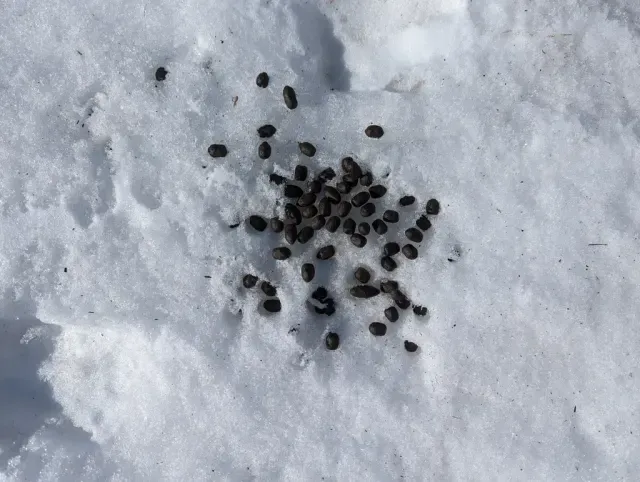
On the table
Meat & cooking
Table grade 1 of 51/5
- Sold as meat in a legal market
- Has a named traditional dish
- Published way to handle and cook it
- Eaten in more than one country
- No known health advisory
Sources
Sources: Dall sheep — Wikipedia, Amerikanskt snöfår — Wikipedia (sv), Alaska Department of Fish and Game: Dall sheep uses — read 2026-10-29
Cross-reference
Related species
Its closest relatives in the compendium, nearest kinship first.
Big game
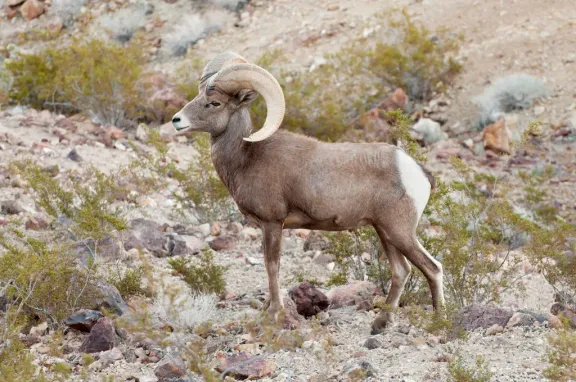
Desert bighorn sheep
Ovis canadensis nelsoni
Same genus (Ovis)
Big game
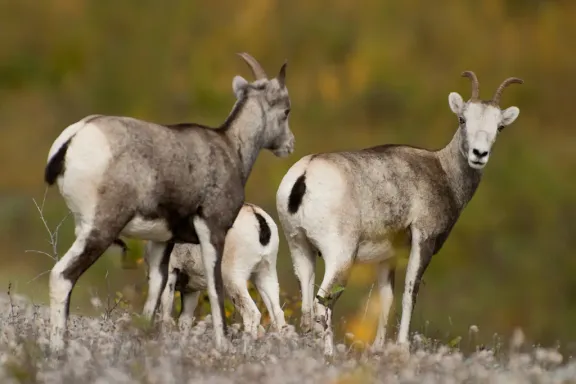
Stone sheep
Ovis dalli stonei
Same genus (Ovis)
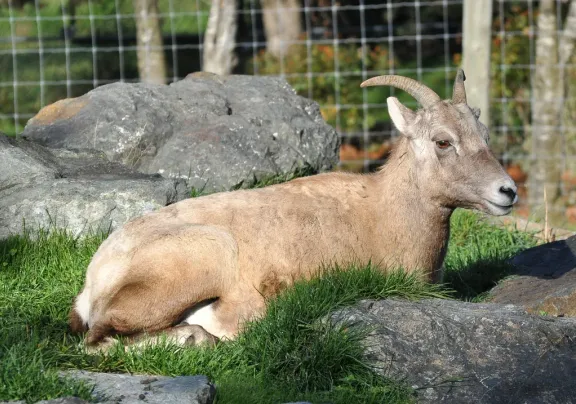
Big game
Bighorn sheep
Ovis canadensis
Same genus (Ovis)
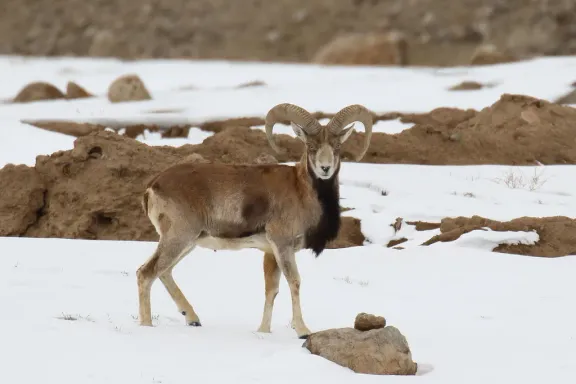
Big game
Urial
Ovis vignei
Same genus (Ovis)
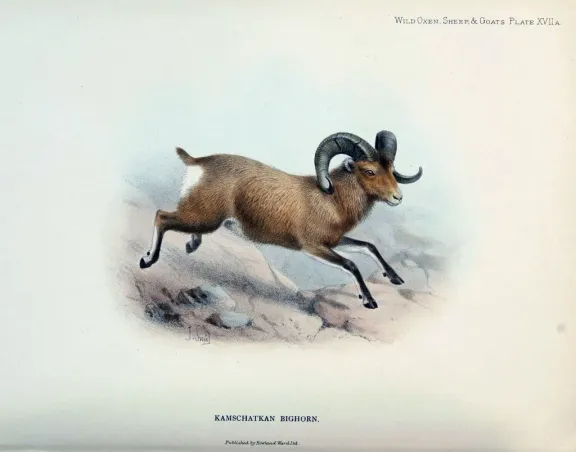
Big game
Snow sheep
Ovis nivicola
Same genus (Ovis)
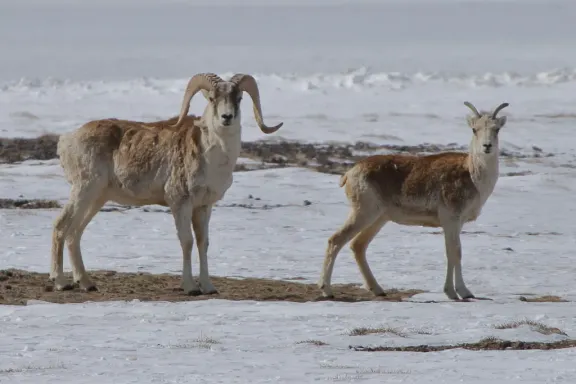
Big game
Marco Polo sheep
Ovis ammon polii
Same genus (Ovis)