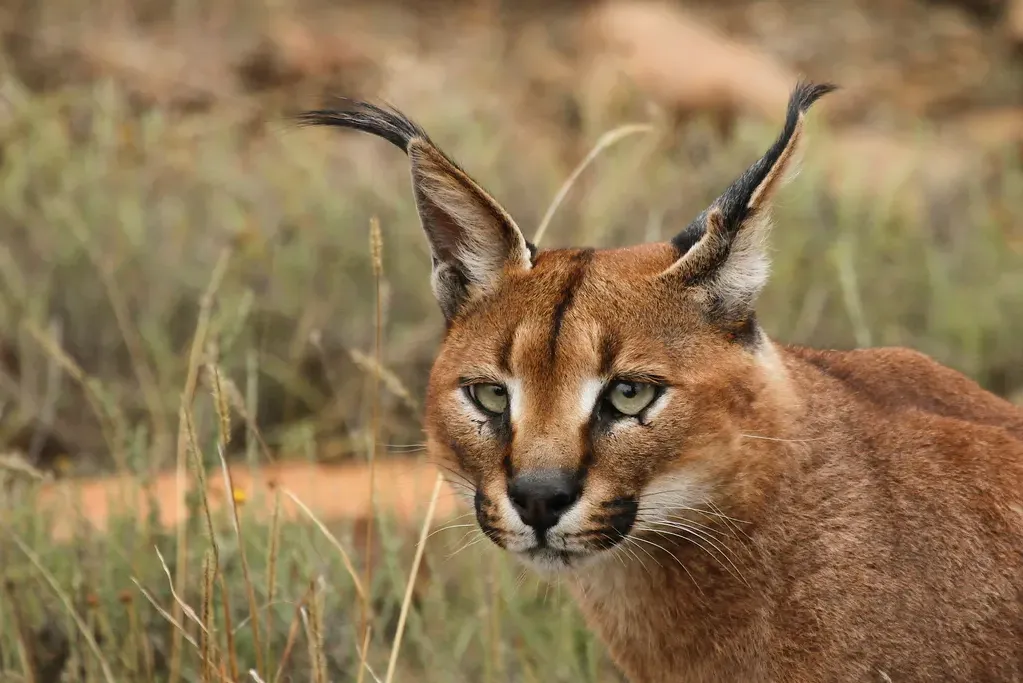
Photo:Leo za1CC BY-SA 3.0
Predators & furbearers
Caracal
Caracal caracal
- Group
- Predators & furbearers
- Size class
- Medium (10–70 kg)
- Family
- Felidae
Range
- Africa
- Asia
Habitat
- Scrub
- Savanna
Range
Countries it is found in
61 countries
- Afghanistan
- Algeria
- Angola
- Benin
- Botswana
- Burkina Faso
- Cameroon
- Central African Republic
- Chad
- Congo - Kinshasa
- Côte d’Ivoire
- Djibouti
- Egypt
- Eritrea
- Eswatini
- Ethiopia
- Gambia
- Ghana
- Guinea
- Guinea-Bissau
- India
- Iran
- Iraq
- Israel
Range from:ASM Mammal Diversity Database — read 2026-08-05
Chapter 01
Overview
The caracal (Caracal caracal) is a wild cat of Africa, the Middle East, Central Asia and the dry country of Pakistan and north-western India. In Africa it is widespread south of the Sahara but rare in the north; in Asia it ranges from the Arabian Peninsula through Turkmenistan and Uzbekistan to western India, where it is now confined to Rajasthan, Gujarat and Madhya Pradesh and may number fewer than 100. It lives in forest, savanna, marshy lowland, semi-desert and scrub, preferring dry areas with cover, up to 3,000 m in the Ethiopian Highlands. The IUCN has listed it as least concern since 2002, across more than 50 range countries. Locally the picture differs: close to extinction in North Africa, critically endangered in Pakistan and in Uzbekistan and Kazakhstan, endangered in Jordan, stable in central and southern Africa. Habitat loss to farming, roads and settlements is the main threat everywhere, along with killing by herders, capture for the pet trade on the Arabian Peninsula, and road deaths in Turkey and Iran.
Chapter 02
Identification
A slender, robust, long-legged cat with a short face and long, black ear tufts of about 4.5 cm. The coat is a uniform reddish tan or sand, paler underneath with small reddish markings; black caracals also occur. The face carries two black stripes from forehead to nose, a black outline to the mouth and white patches round the eyes and mouth. The hind legs are longer than the forelegs, so the body slopes down from the rump, and the bushy tail reaches the hocks. It stands 40–50 cm at the shoulder. Males measure 78–108 cm in head and body with a 21–34 cm tail and weigh 7.2–19 kg; females 71–103 cm and 7–15.9 kg. It is easily taken for a lynx, but has no spots or blotches; the serval has no ear tufts and a spotted coat.
Chapter 03
Behaviour
Mostly nocturnal, and so secretive that much of its daytime activity likely goes unseen; in South Africa it is most active below 20 °C. It lives alone or in pairs, marks its territory with urine and claw scratches, and signals to others by flicking its ear tufts. Male territories average 220 km² in Israel and reach 270–1,116 km² in Saudi Arabia. Small mammals make up at least 80 per cent of its diet, but it also takes monkeys, young antelope such as kudu, impala, springbok and duiker, and birds — leaping more than 3 m to catch them on the wing. It stalks to within about 5 m, then sprints, killing large prey with a throat bite and small prey with a bite to the nape, and returns to large kills if undisturbed. Where sheep and goats are farmed it also takes small livestock, mostly in seasons when wild prey is scarce. Breeding goes on all year. After two to three months the female has one to six kittens in dense cover or an old aardvark or porcupine burrow; they make their first kill at about three months and disperse at nine to ten.
Chapter 04
Hunting
African caracal populations are on CITES Appendix II and Asian ones on Appendix I. Hunting is prohibited in Afghanistan, Algeria, Egypt, India, Iran, Israel, Jordan, Kazakhstan, Lebanon, Morocco, Pakistan, Syria, Tajikistan, Tunisia, Turkey, Turkmenistan and Uzbekistan. In South Africa it has been persecuted for decades as a stock killer, and farmers are asked to report caracal sightings and livestock losses to the national Predation Management Information Centre. In the Western Cape, CapeNature issues six-month permits to hunt caracal and black-backed jackal by otherwise prohibited methods on damage-causing animals; renewal depends on the holder reporting livestock losses and hunts, and the permit does not cover transporting or trading the carcass.
Field data
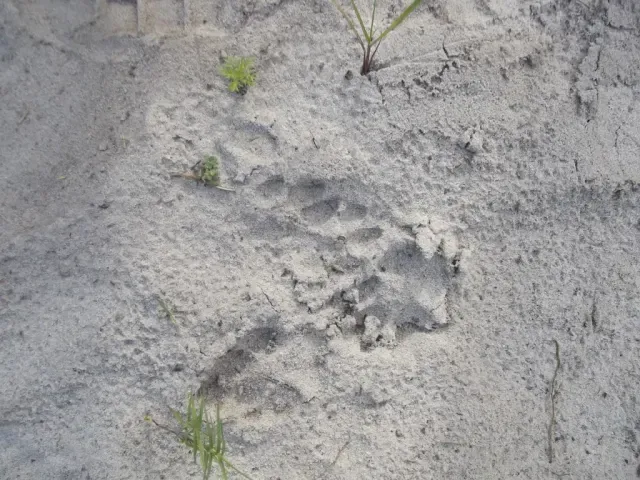
Tracks
A photograph of real sign left by Caracal. Prints vary with gait, ground and how long they have been there — treat this as one example, not a template.
Track photo:no rights reservedCC0
Sources
Sources: Caracal — Wikipedia, Ökenlo — Wikipedia (sv), CapeNature: Information document — prohibited hunting method permit, caracal and black-backed jackal (7 November 2016) — read 2026-10-29
Cross-reference
Related species
Its closest relatives in the compendium, nearest kinship first.
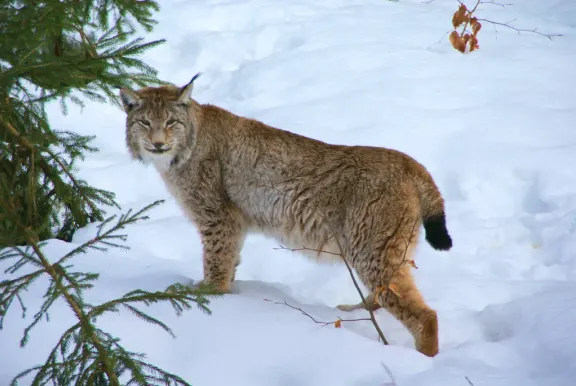
Predators & furbearers
Eurasian lynx
Lynx lynx
Same subfamily (Felinae)
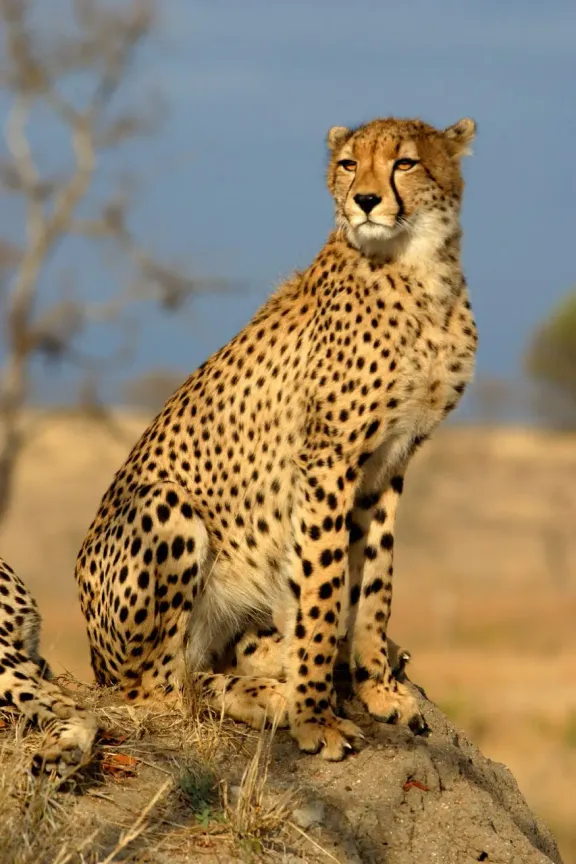
Predators & furbearers
Cheetah
Acinonyx jubatus
Same subfamily (Felinae)
Predators & furbearers
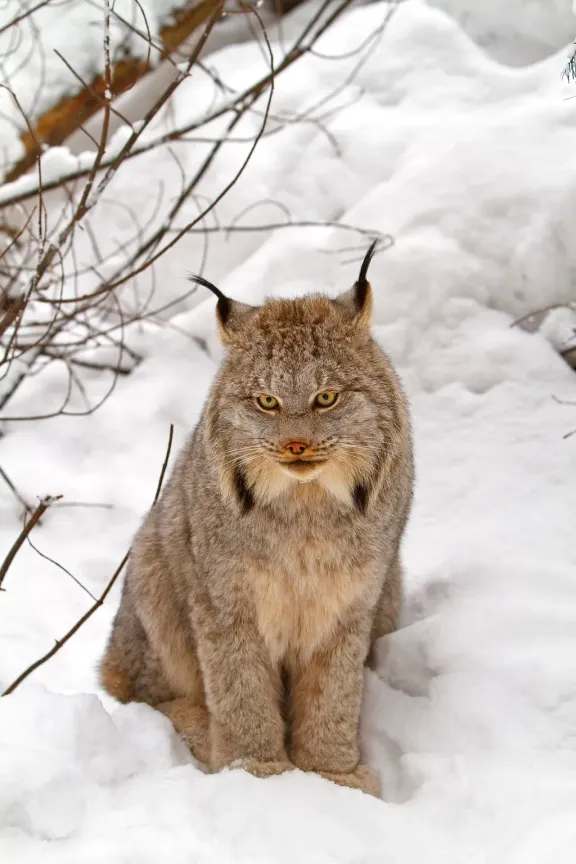
Canada lynx
Lynx canadensis
Same subfamily (Felinae)
Predators & furbearers
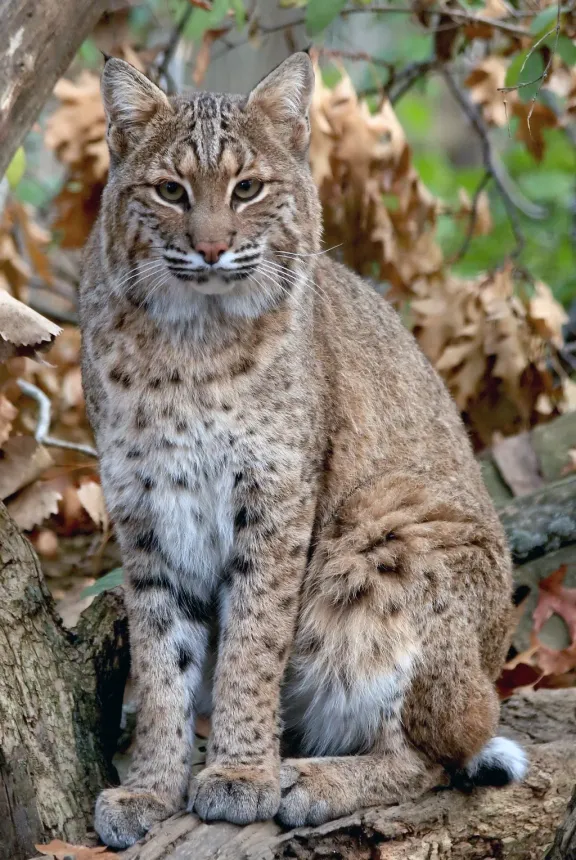
Bobcat
Lynx rufus
Same subfamily (Felinae)
Predators & furbearers
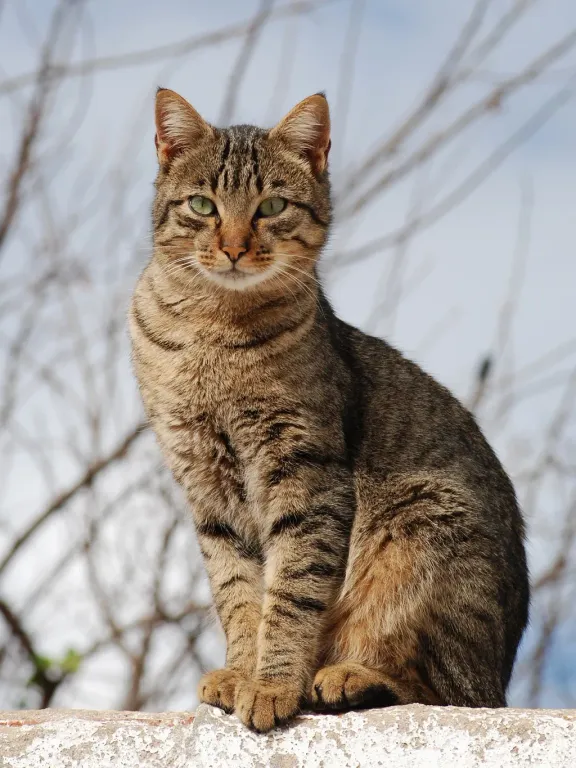
Feral cat
Felis catus
Same subfamily (Felinae)
Predators & furbearers
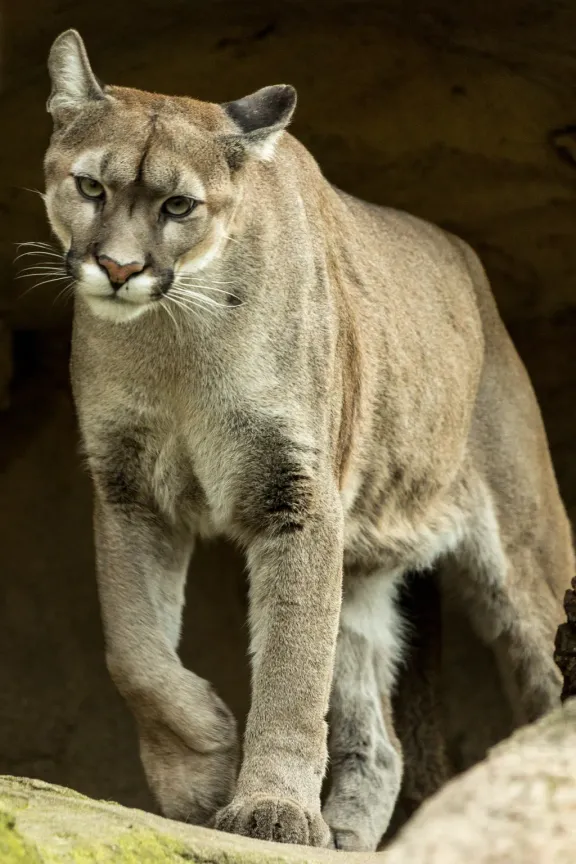
Cougar
Puma concolor
Same subfamily (Felinae)