Upland birds
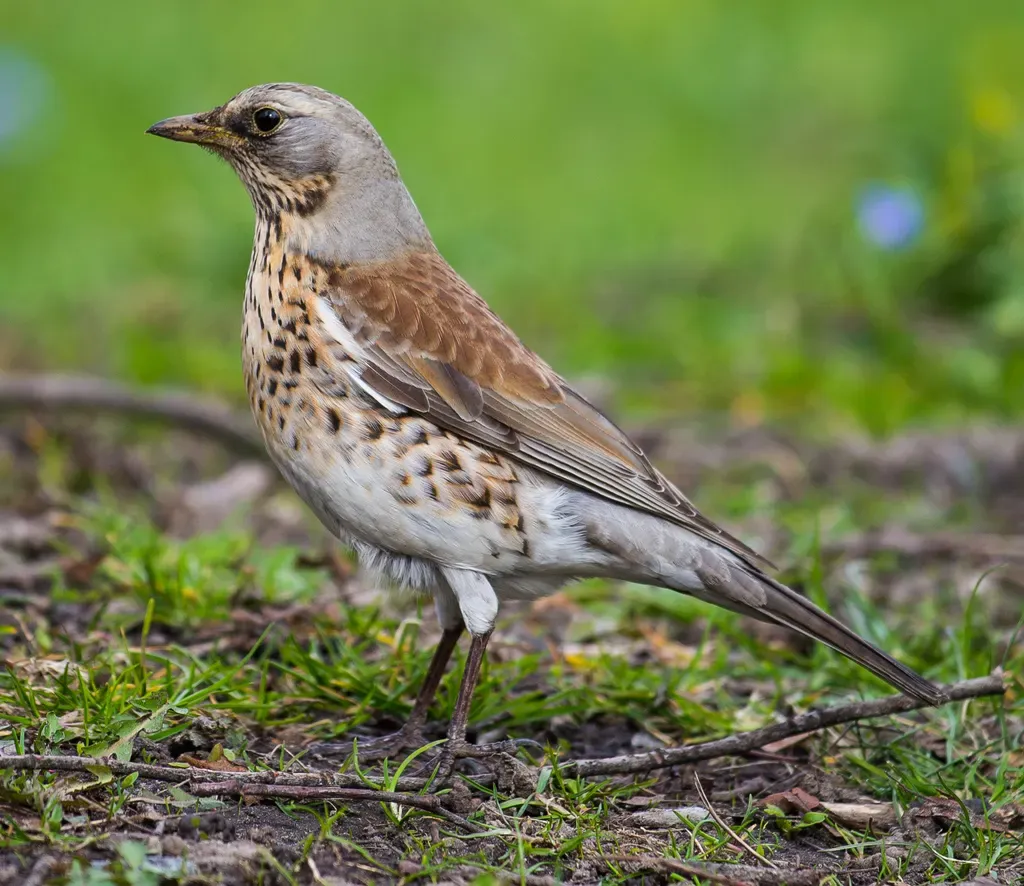
Fieldfare
Turdus pilaris
- Group
- Upland birds
- Size class
- Small (under 10 kg)
- Family
- Turdidae
Range
- Europe
Habitat
- Farmland
- Forest
Range
Countries it is found in
62 countries
- Åland Islands
- Albania
- Andorra
- Armenia
- Austria
- Azerbaijan
- Belarus
- Belgium
- Bosnia & Herzegovina
- Bulgaria
- Croatia
- Cyprus
- Czechia
- Denmark
- Estonia
- Faroe Islands
- Finland
- France
- Georgia
- Germany
- Greece
- Hungary
- Iceland
- Iran
Range from:Wikipedia country bird lists, GBIF occurrence records — read 2026-08-05
Chapter 01
Overview
The fieldfare (Turdus pilaris) is a large thrush that breeds in woodland and scrub across northern Europe and the Palearctic east to the Aldan River in Siberia. It is strongly migratory, wintering in great numbers in Britain, southern Europe, North Africa and the Middle East, usually in flocks mixed with redwings. Linnaeus described it in 1758, and the type locality was later restricted to Sweden. In Sweden it breeds in large numbers over the whole country; roughly speaking, the birds that breed north of Mora move south for the winter. The Swedish population was put at 594,000 pairs in 2018, but it has fallen by 10–25 per cent over 15 years and the fieldfare has been red-listed as near threatened since 2020.
Chapter 02
Identification
A heavily built, long-tailed thrush about 25 cm long with a 39–42 cm wingspan, weighing 80–140 g. The slate-grey head, nape and rump contrast with a chestnut-brown back and blackish tail, and the reddish-washed breast and flanks are boldly spotted black. In flight the white underwing coverts are conspicuous. The sexes are alike, the female slightly browner. The harsh, chattering flight call, a repeated tsak tsak, is as good a mark as the plumage; fieldfares are quick to use it to warn of owls, cats and other danger.
Chapter 03
Behaviour
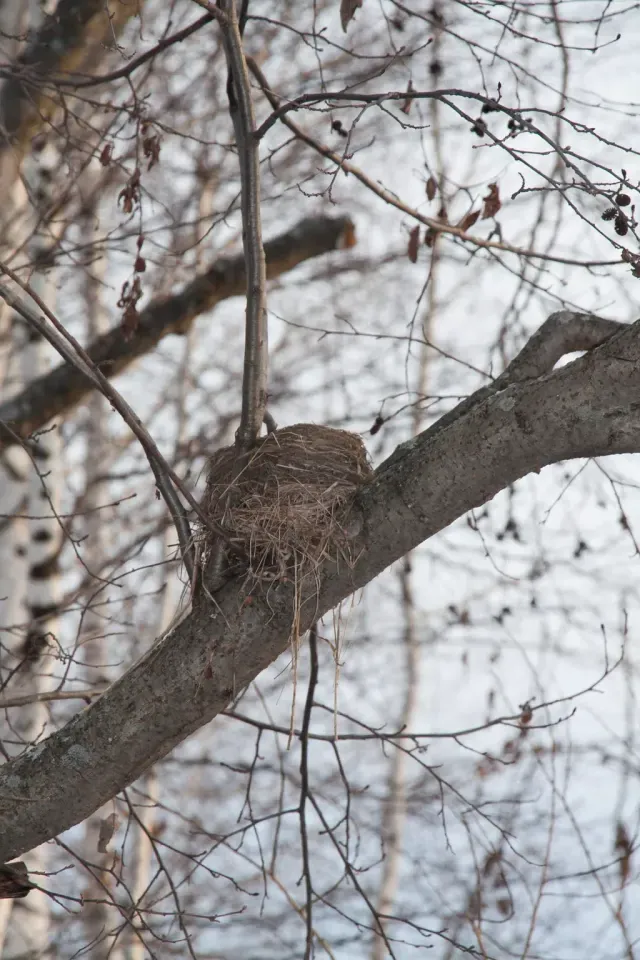
Fieldfares often nest in loose colonies, the open cup nest placed in a tree with no attempt at concealment, and drive off predators by mobbing and dropping faeces on them. Five or six eggs is the usual clutch, and the young leave the nest after about two weeks; there may be two broods in the south of the range. Outside the breeding season they are gregarious, shy and easily put to flight. A feeding flock works its way upwind across a field, each bird stopping now and then to stand upright and look around; when alarmed they fly off downwind. Summer food is earthworms, snails, insects and spiders; in autumn and winter rowan, juniper, hawthorn and other berries, windfall apples, grain and seed.
Chapter 04
Hunting
Thrushes have long been valued as food. The fieldfare was among the most popular of Europe's kramsfåglar — small birds caught for the table — taken mainly with snares and lime sticks; one source claims 600,000 were caught in a single 17th-century season in Prussia, another 1.2 million a year in East Prussia alone. In Sweden the fieldfare has no open season, but the hunting ordinance's bilaga 4 lets the holder of the hunting rights shoot it all year inside a facility to prevent damage, on land with agricultural crops or commercial horticulture where it is causing damage, or on commission from the municipal environmental board. No game-management fee is due for that kind of skyddsjakt. From 1 July 2027 its nests and eggs may also be destroyed where a nest in a house or farmyard causes serious damage or nuisance.
Field data
Tracks
A photograph of real sign left by Fieldfare. Prints vary with gait, ground and how long they have been there — treat this as one example, not a template.
Track photo:Полина ПолежанкинаCC BY
On the table
Meat & cooking
Table grade 2 of 52/5
- Sold as meat in a legal market
- Has a named traditional dish
- Published way to handle and cook it
- Eaten in more than one country
- No known health advisory
Sources
Sources: Fieldfare — Wikipedia, Björktrast — Wikipedia (svenska), Jaktförordning (1987:905) — Sveriges riksdag — read 2026-10-29
Cross-reference
Related species
Its closest relatives in the compendium, nearest kinship first.
Upland birds
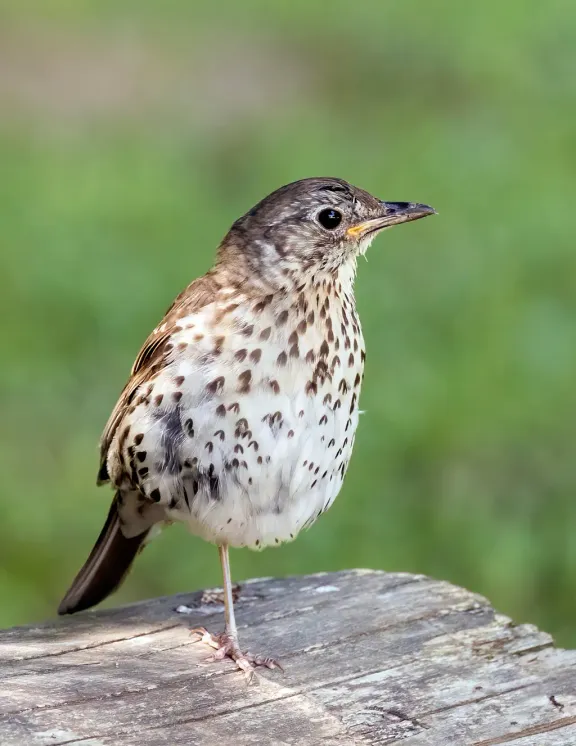
Song thrush
Turdus philomelos
Same genus (Turdus)
Upland birds
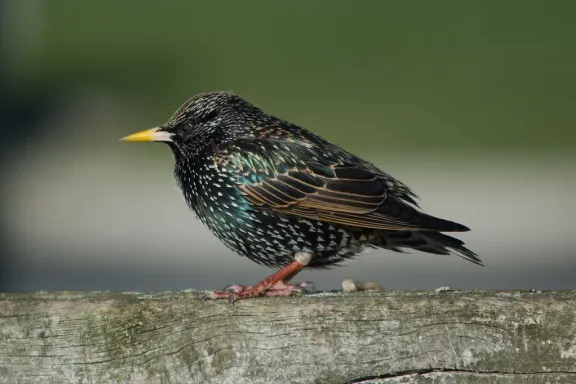
Common starling
Sturnus vulgaris
Same order (Passeriformes)
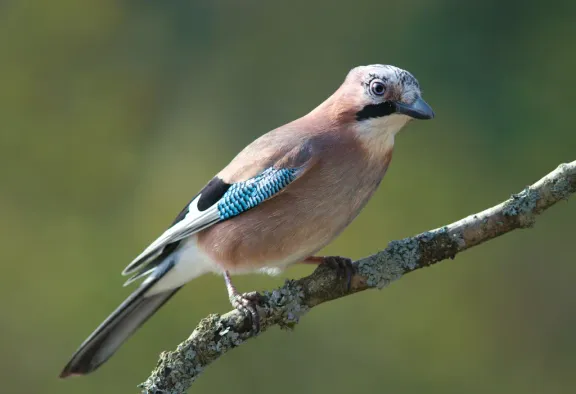
Upland birds
Eurasian jay
Garrulus glandarius
Same order (Passeriformes)
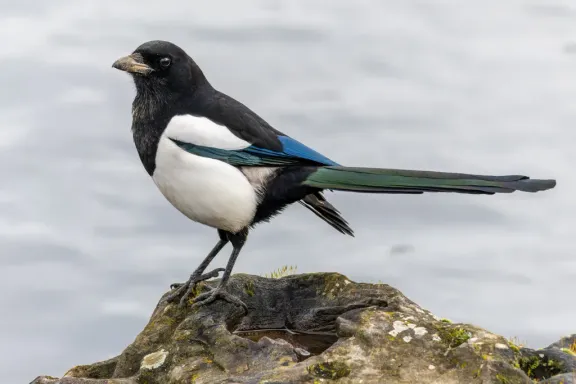
Upland birds
Eurasian magpie
Pica pica
Same order (Passeriformes)
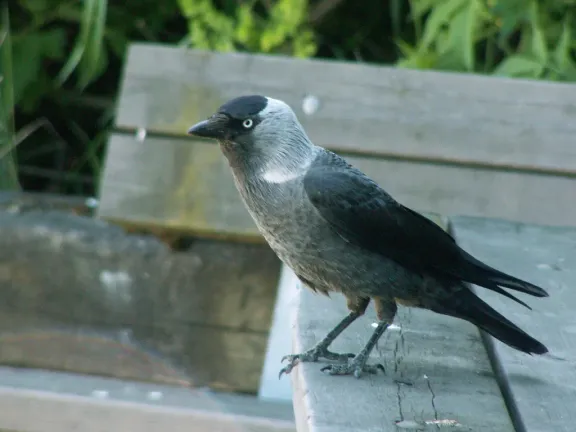
Upland birds
Western jackdaw
Coloeus monedula
Same order (Passeriformes)
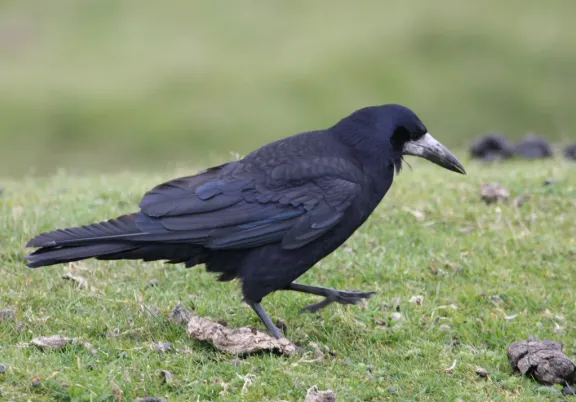
Upland birds
Rook
Corvus frugilegus
Same order (Passeriformes)