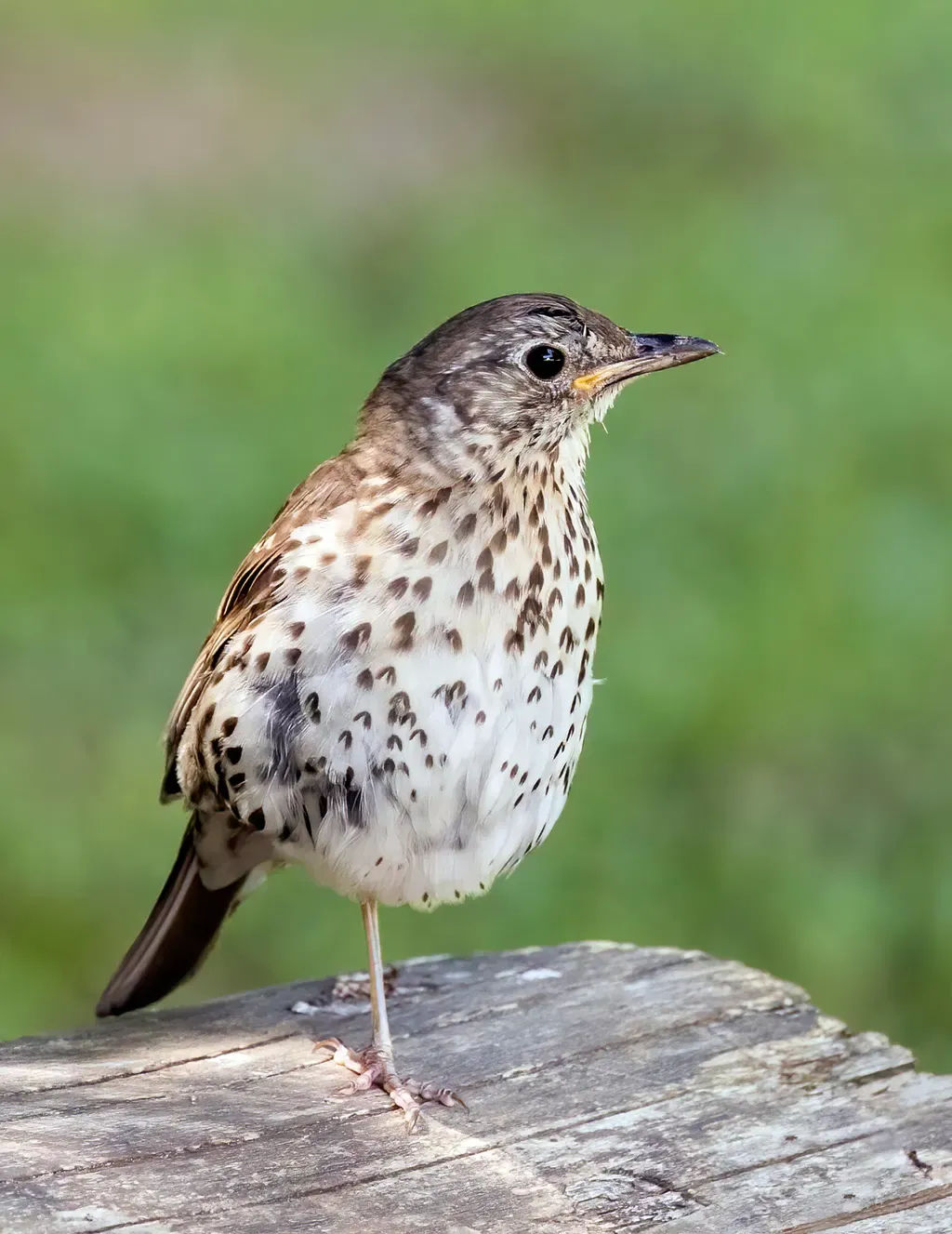
Upland birds
Song thrush
Turdus philomelos
- Group
- Upland birds
- Size class
- Small (under 10 kg)
- Family
- Turdidae
Range
- Europe
Habitat
- Forest
- Farmland
Range
Countries it is found in
82 countries
- Åland Islands
- Albania
- Algeria
- Andorra
- Armenia
- Austria
- Azerbaijan
- Bahrain
- Belarus
- Belgium
- Bosnia & Herzegovina
- Bulgaria
- Croatia
- Cyprus
- Czechia
- Denmark
- Djibouti
- Egypt
- Eritrea
- Estonia
- Faroe Islands
- Finland
- France
- Georgia
Range from:Wikipedia country bird lists, GBIF occurrence records — read 2026-08-05
Chapter 01
Overview
The song thrush (Turdus philomelos) breeds across most of Europe and east through Ukraine and Russia almost to Lake Baikal, reaching 75°N in Norway. It is partially migratory: birds from Scandinavia, eastern Europe and Russia winter around the Mediterranean, in North Africa and the Middle East, while many western birds stay. It was introduced to New Zealand and Australia in the 19th century, apparently for sentimental reasons. It is not globally threatened — Europe alone holds an estimated 40 to 71 million birds — but numbers have fallen by more than half in Britain and the Netherlands, most steeply on farmland, probably because of the loss of hedgerows, autumn sowing and pesticides.
Chapter 02
Identification
A smallish thrush, 20–23.5 cm long and 50–107 g, with plain brown upperparts and cream or buff underparts neatly spotted black, paler on the belly. The underwing is warm yellow-buff, the bill yellowish and the legs pink; the sexes are alike. The upperparts turn colder in tone from west to east across the range, from Sweden to Siberia. The redwing differs in its bold white eyebrow and red flanks and underwing; the mistle thrush is much larger, with white tail corners. The call is a short, sharp tsip. The male's song, given from treetops and rooftops, is a loud run of musical phrases each repeated two to four times, often with mimicry mixed in.
Chapter 03
Behaviour
The song thrush is not usually gregarious and, unlike the wandering fieldfare and redwing, tends to return to the same wintering area each year. It migrates mostly at night, in loose flocks crossing the sea on a broad front; return migration ranges from mid-February around the Mediterranean to May in northern Sweden. The female builds a neat, mud-lined cup nest in a bush or tree and lays four or five glossy blue eggs; two or three broods a year are normal. The bird is omnivorous, taking earthworms, snails, insects and berries, and it is known for using a favourite stone as an anvil to smash snail shells.
Chapter 04
Hunting
Thrushes have been caught for food for at least 12,000 years, and the hunting continues around the Mediterranean today, though it is not thought to be a significant cause of the song thrush's decline. Until at least the 19th century it was also kept as a cage bird for its song. In New Zealand, as an introduced species, it has no legal protection and can be killed at any time. In Sweden the taltrast has no open season in the hunting ordinance and is not among the species named for skyddsjakt on the hunter's own initiative in its bilaga 4.
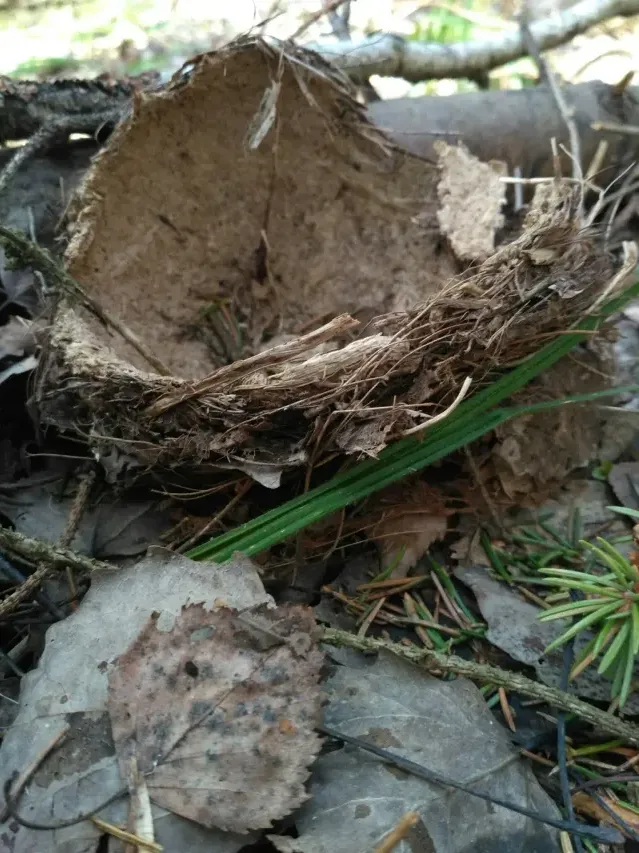
Field data
Tracks
A photograph of real sign left by Song thrush. Prints vary with gait, ground and how long they have been there — treat this as one example, not a template.
Track photo:Natalya IvanovaCC BY
On the table
Meat & cooking
Table grade 2 of 52/5
- Sold as meat in a legal market
- Has a named traditional dish
- Published way to handle and cook it
- Eaten in more than one country
- No known health advisory
Sources
Sources: Song thrush — Wikipedia, Taltrast — Wikipedia (svenska), Jaktförordning (1987:905) — Sveriges riksdag — read 2026-10-29
Cross-reference
Related species
Its closest relatives in the compendium, nearest kinship first.
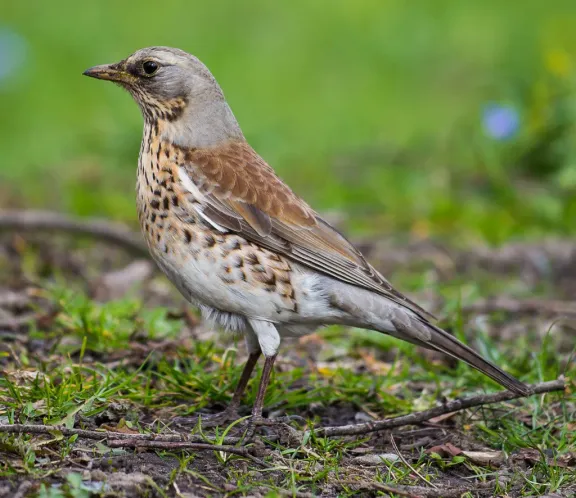
Upland birds
Fieldfare
Turdus pilaris
Same genus (Turdus)
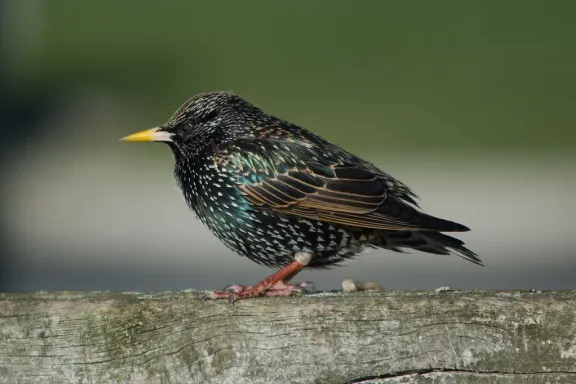
Upland birds
Common starling
Sturnus vulgaris
Same order (Passeriformes)
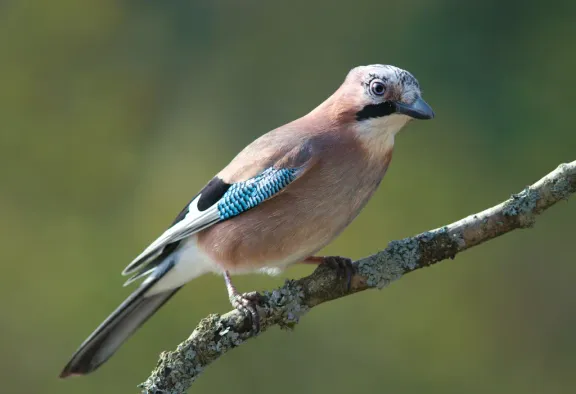
Upland birds
Eurasian jay
Garrulus glandarius
Same order (Passeriformes)
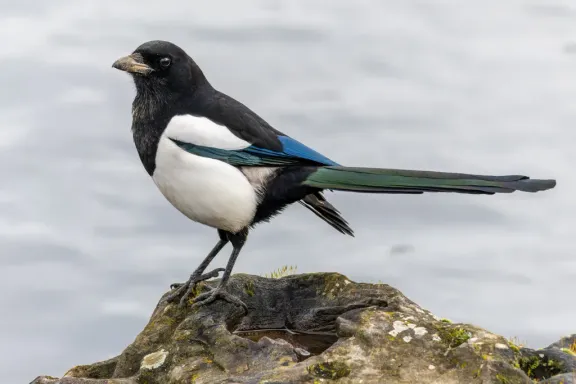
Upland birds
Eurasian magpie
Pica pica
Same order (Passeriformes)
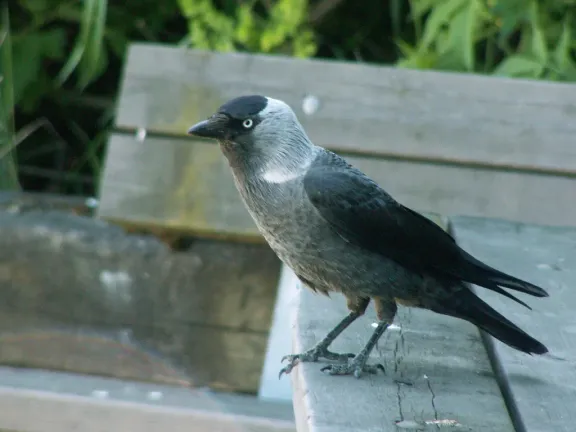
Upland birds
Western jackdaw
Coloeus monedula
Same order (Passeriformes)
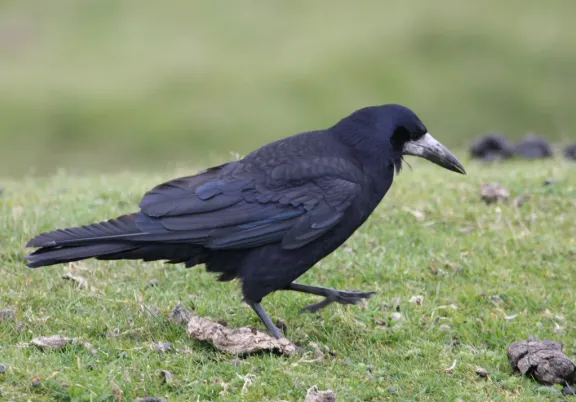
Upland birds
Rook
Corvus frugilegus
Same order (Passeriformes)