Upland birds
Rook
Corvus frugilegus
- Group
- Upland birds
- Size class
- Small (under 10 kg)
- Family
- Corvidae
Range
- Europe
- Asia
Habitat
- Farmland
Range
Countries it is found in
68 countries
- Afghanistan
- Albania
- Andorra
- Armenia
- Austria
- Azerbaijan
- Belarus
- Belgium
- Bosnia & Herzegovina
- Bulgaria
- China
- Croatia
- Czechia
- Denmark
- Estonia
- Faroe Islands
- Finland
- France
- Georgia
- Germany
- Greece
- Hungary
- India
- Iran
Range from:Wikipedia country bird lists, GBIF occurrence records — read 2026-08-05
Chapter 01
Overview
The rook (Corvus frugilegus) is a large, gregarious black crow of the Palearctic, from western Europe to eastern Siberia, best known for nesting in colonies — rookeries — in the tops of tall trees near farms and villages. It forages on arable land and pasture, and farmers have long accused it of damaging crops. Linnaeus named it in 1758; frugilegus means 'fruit-gathering'. In Sweden the rook breeds commonly in Skåne, on Öland and Gotland and at a few places further north, such as Vadstena and Uppsala. About 90 per cent of Swedish rooks live in Skåne, where it is by far the commonest crow; Sweden's largest colony is in the Karlslund park on the northern edge of Landskrona.
Chapter 02
Identification
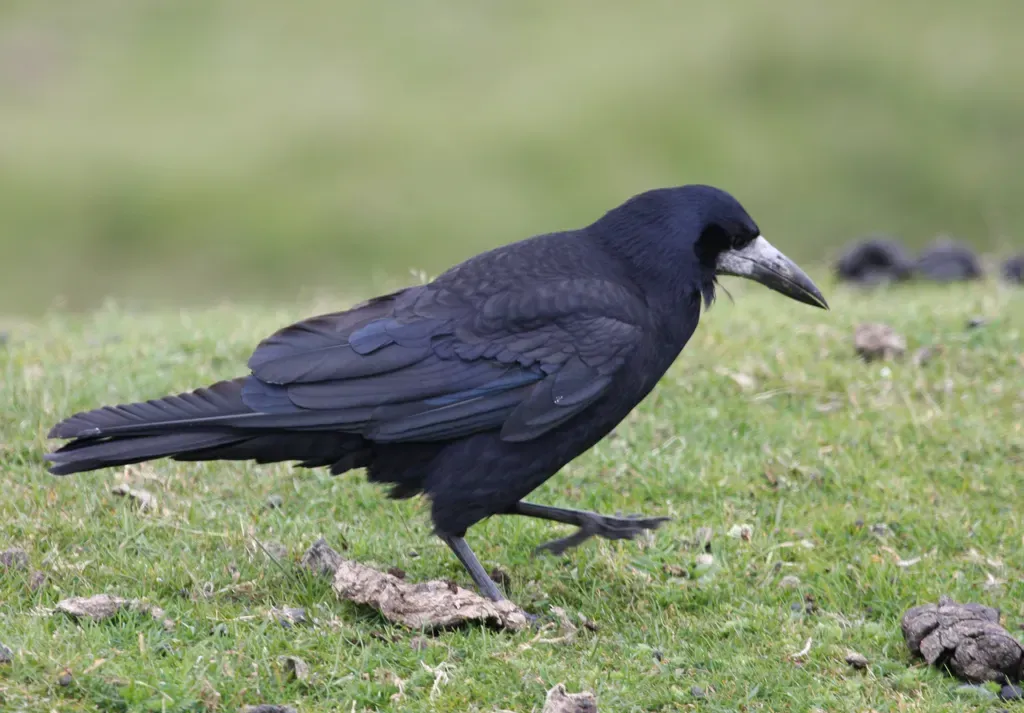
A fairly large crow, 44–46 cm long with an 81–99 cm wingspan and weighing 280–340 g. The black plumage shows a blue or bluish-purple sheen in sunlight, and the head, neck and shoulder feathers are dense and silky. The adult's bare, whitish skin in front of the eye and around the base of the bill sets it apart from every other crow, makes the bill look longer and the crown more domed. The feathering on the legs looks shaggier than a carrion crow's, and in flight the wings are proportionally longer and narrower. Juveniles lack the bare face patch and resemble young crows, but have a thinner bill; they lose the facial feathers at about six months.
Chapter 03
Behaviour
Rooks pair for life and live in flocks; in the evening they gather at the rookery before moving off to a communal roost, often in very large numbers alongside jackdaws, and they disperse up to 10 km to feed in the morning. In autumn flocks perform aerial displays of synchronised dives, tumbles and rolls. About 60 per cent of the diet is plant matter — cereals, potatoes, roots, acorns, berries — and the rest mostly earthworms and insect larvae probed from the soil. Nests are built in the treetops, often on the remains of last year's, with sticks freely stolen from neighbours. Three to five eggs are incubated for 16–18 days, almost entirely by the female, who is fed by the male, and the young fledge on the 32nd or 33rd day.
Chapter 04
Hunting
Henry VIII's Vermin Act of 1532 ordered the destruction of jackdaws, crows and rooks to protect grain, and Elizabeth I's Act for the Preservation of Grain of 1566 was enforced more vigorously, with large numbers culled. Rookeries were long seen as a nuisance in rural Britain, and rook shoots, where the young branchers were shot before they could fly, were a social occasion and a source of food. The rook was introduced to New Zealand in the 1860s and 1870s and is now controlled there as an invasive pest. In Sweden the råka has an open season of 21 July–31 January in Skåne and Halland only. Elsewhere, and outside the season, bilaga 4 lets the holder of the hunting rights shoot it all year inside a facility to prevent damage, on land with agricultural crops or commercial horticulture where it is causing damage, or on commission from the municipal environmental board.
On the table
Meat & cooking
Table grade 2 of 52/5
- Sold as meat in a legal market
- Has a named traditional dish
- Published way to handle and cook it
- Eaten in more than one country
- No known health advisory
Traditional preparations
- Rabbit and rook pie
- Rural British rook shoots took the young 'branchers' before they could fly, and the birds went into rabbit and rook pie, considered a delicacy. The rook is held to be inedible once mature. Rook (bird) — Wikipedia
Sources
Sources: Rook (bird) — Wikipedia, Råka — Wikipedia (svenska), Jaktförordning (1987:905) — Sveriges riksdag — read 2026-10-29
Cross-reference
Related species
Its closest relatives in the compendium, nearest kinship first.
Upland birds
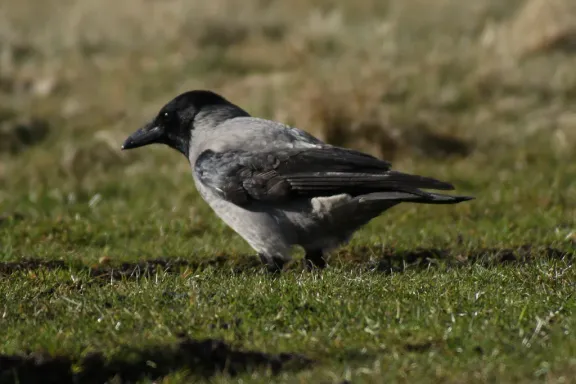
Hooded crow
Corvus cornix
Same genus (Corvus)
Upland birds
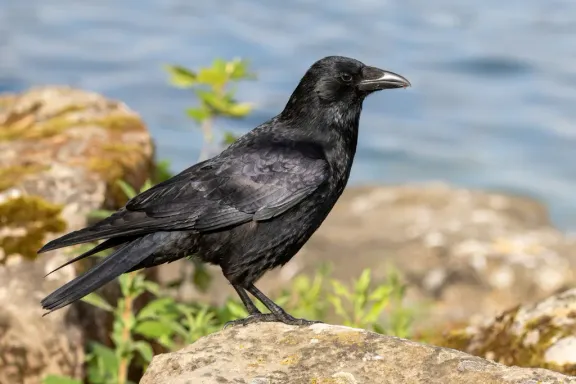
Carrion crow
Corvus corone
Same genus (Corvus)
Upland birds
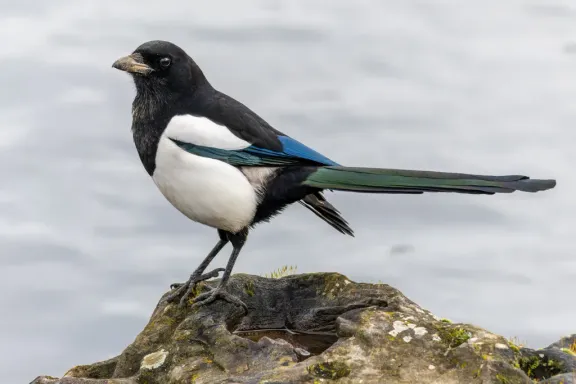
Eurasian magpie
Pica pica
Same family (Corvidae)
Upland birds
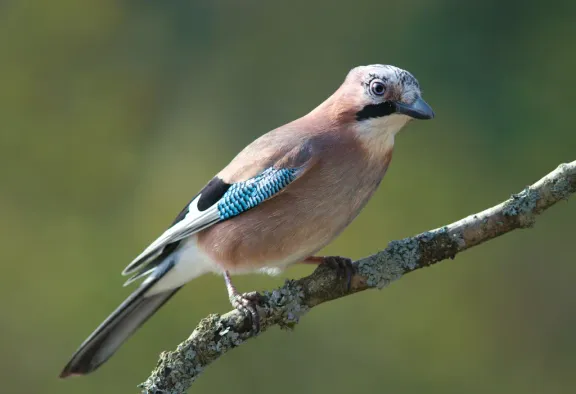
Eurasian jay
Garrulus glandarius
Same family (Corvidae)
Upland birds
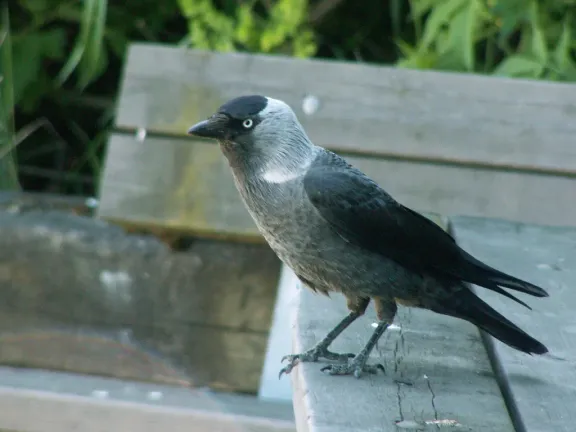
Western jackdaw
Coloeus monedula
Same family (Corvidae)
Upland birds
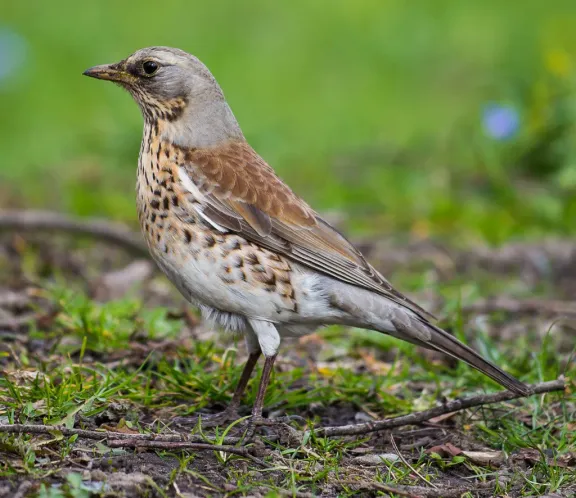
Fieldfare
Turdus pilaris
Same order (Passeriformes)