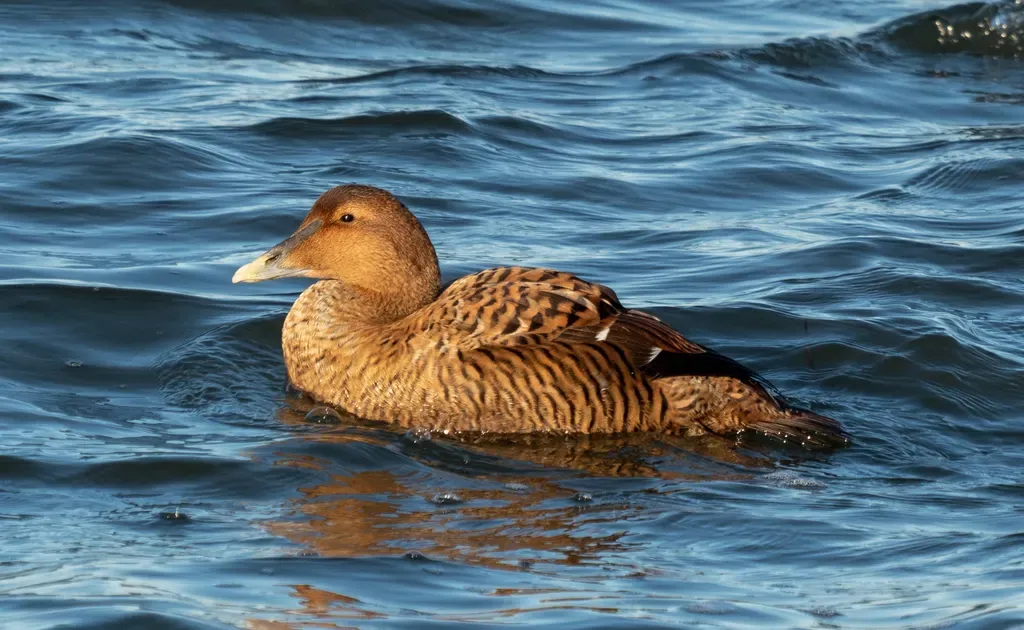
Waterfowl
Common eider
Somateria mollissima
- Group
- Waterfowl
- Size class
- Small (under 10 kg)
- Family
- Anatidae
Range
- North America
- Europe
- Arctic
Habitat
- Coast
Range
Countries it is found in
40 countries
- Åland Islands
- Albania
- Austria
- Belgium
- Bermuda
- Bosnia & Herzegovina
- Canada
- Czechia
- Denmark
- Estonia
- Faroe Islands
- Finland
- France
- Germany
- Greece
- Greenland
- Iceland
- Ireland
- Isle of Man
- Italy
- Latvia
- Liechtenstein
- Lithuania
- Monaco
Range from:Wikipedia country bird lists, GBIF occurrence records — read 2026-08-05
Chapter 01
Overview
The common eider (Somateria mollissima), also St Cuthbert's duck or Cuddy's duck, is a large sea duck distributed over the northern coasts of Europe, North America and eastern Siberia. It breeds in the Arctic and some northern temperate regions and winters somewhat further south, forming large flocks on coastal water. Linnaeus named it in 1758 as Anas mollissima; it now sits with two other species in the genus Somateria, from the Greek sōma, 'body'. Six subspecies are recognised, from S. m. v-nigrum in north-east Asia and Alaska to S. m. borealis in north-east Canada, Greenland and Iceland.
Chapter 02
Identification
The largest of the four eiders: 50 to 71 cm long, weighing 0.81 to 3.04 kg and spanning 80–110 cm across the wings. Twenty-two North Atlantic males averaged 2.21 kg and thirty-two females 1.92 kg. It is distinguished by its bulky shape and its large, wedge-shaped bill — a profile that runs unbroken from the tip of the bill to the crown, and which identifies the bird at range even when colour does not.
Chapter 03
Behaviour
Eiders are colonial breeders, nesting on coastal islands in colonies of anywhere from under 100 to upwards of 15,000 birds. Females frequently show a high degree of natal philopatry, returning to breed on the same island where they hatched. That produces a high degree of relatedness between the birds nesting on one island, and with it the kin-based female social structures the species is known for.
On the table
Meat & cooking
Table grade 4 of 54/5
- Sold as meat in a legal market
- Has a named traditional dish
- Published way to handle and cook it
- Eaten in more than one country
- No known health advisory
Traditional preparations
- Roast eider breast
- The breast is the cut, cooked rare; eider is a strongly flavoured sea duck and is usually skinned rather than plucked. Duck as food — Wikipedia
Sources
Sources: Common eider — Wikipedia — read 2026-08-05
Cross-reference
Related species
Its closest relatives in the compendium, nearest kinship first.
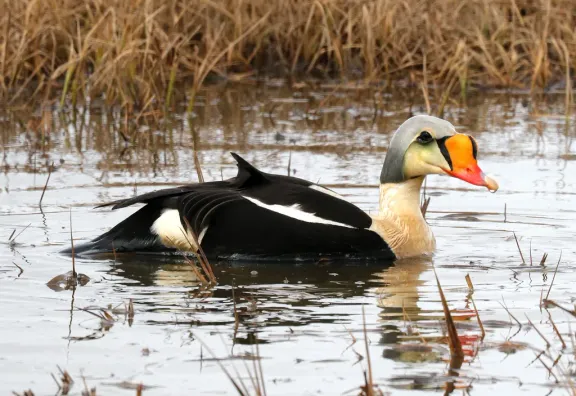
Waterfowl
King eider
Somateria spectabilis
Same genus (Somateria)
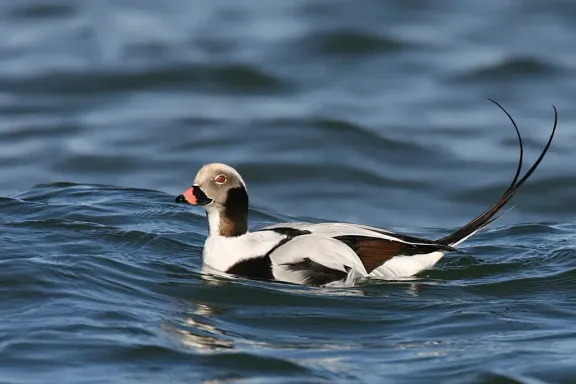
Waterfowl
Long-tailed duck
Clangula hyemalis
Same subfamily (Anatinae)
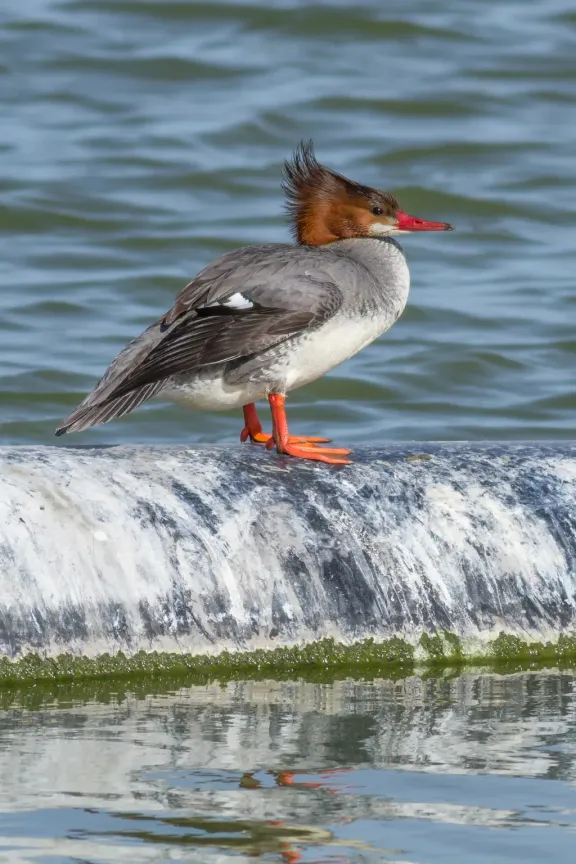
Waterfowl
Common merganser (goosander)
Mergus merganser
Same subfamily (Anatinae)
Waterfowl
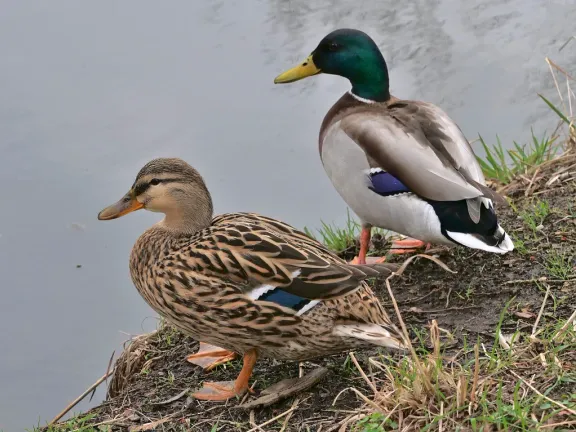
Mallard
Anas platyrhynchos
Same subfamily (Anatinae)
Waterfowl
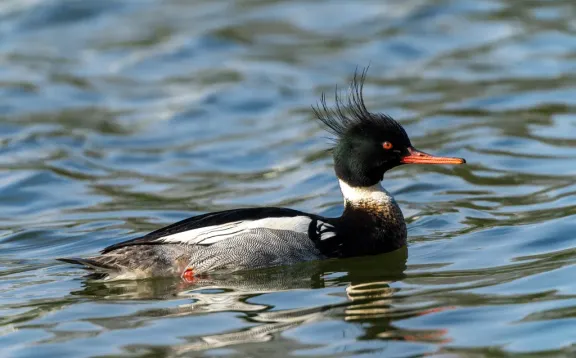
Red-breasted merganser
Mergus serrator
Same subfamily (Anatinae)
Waterfowl
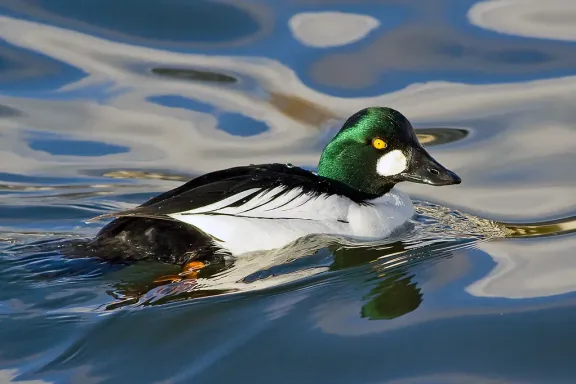
Common goldeneye
Bucephala clangula
Same subfamily (Anatinae)