Predators & furbearers
Corsac fox
Vulpes corsac
- Group
- Predators & furbearers
- Size class
- Small (under 10 kg)
- Family
- Canidae
Range
- Asia
Habitat
- Grassland
- Desert
Range
Countries it is found in
10 countries
- Afghanistan
- China
- Iran
- Kazakhstan
- Kyrgyzstan
- Mongolia
- Russia
- Tajikistan
- Turkmenistan
- Uzbekistan
Range from:ASM Mammal Diversity Database — read 2026-08-05
Chapter 01
Overview
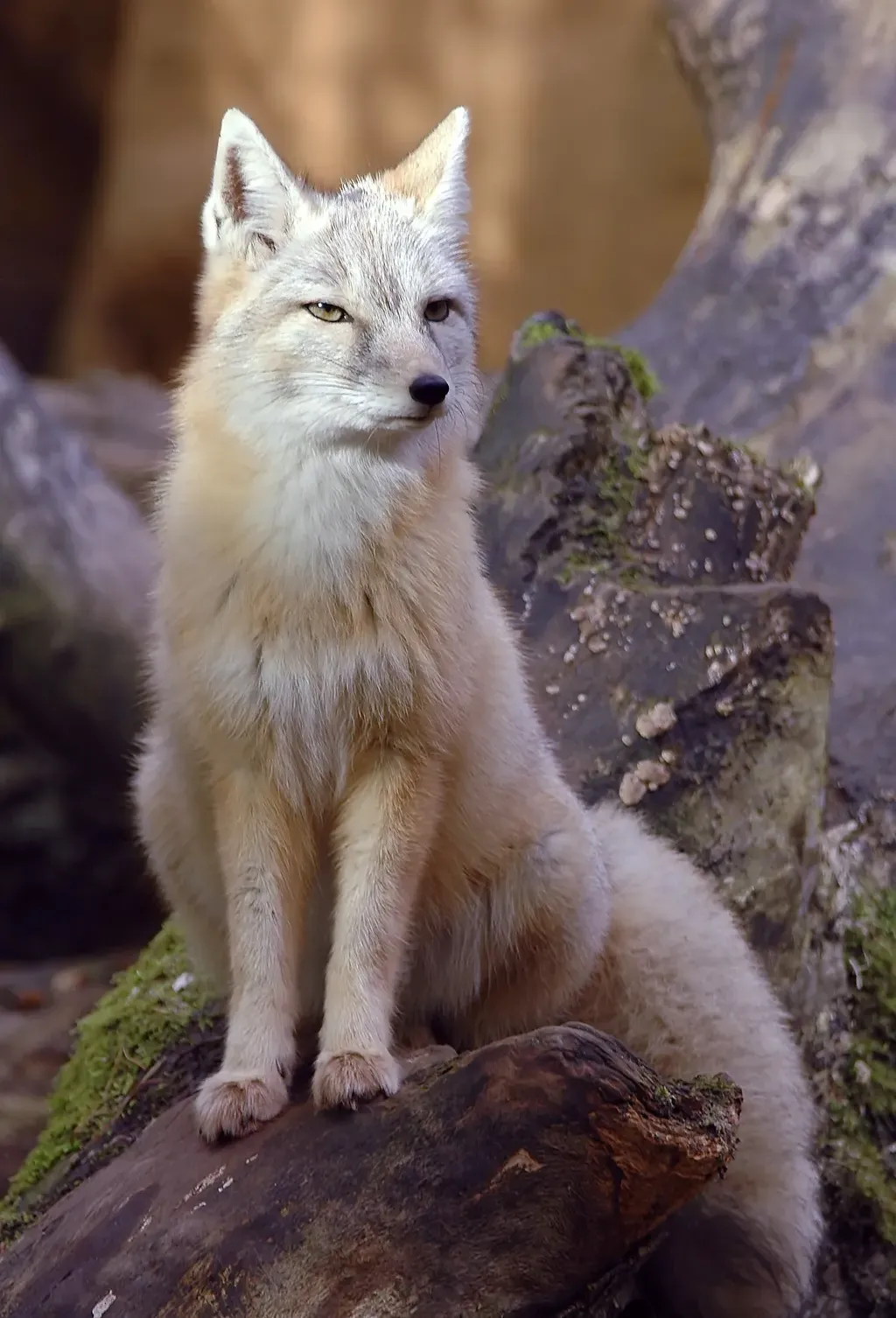
The corsac fox (Vulpes corsac), also called the steppe fox, is a medium-sized fox of the steppes, semi-deserts and deserts of Central Asia, found throughout Kazakhstan, Uzbekistan and Turkmenistan and all but the far north of Mongolia, and reaching into northern Iran, Tajikistan, Kyrgyzstan, Afghanistan, China and neighbouring parts of Russia. The name comes from the Russian korsák, itself from Turkic karsak. Three subspecies are recognised. It keeps to open grassy steppe and semi-desert and avoids dense vegetation, mountains, true deserts of drifting sand and snowfields deeper than about 15 cm, and generally stays well away from people. The IUCN has listed it as least concern since 2004, but numbers fluctuate sharply and can fall tenfold within a single year. Fossils show it once reached as far west as Switzerland and south to the Crimea.
Chapter 02
Identification
Head and body measure 45–65 cm with a tail of 19–35 cm, and adults weigh 1.6–3.2 kg. The fur is grey to yellowish over most of the body, with paler underparts and pale markings on the mouth, chin and throat. In winter the coat grows much thicker and silkier and turns straw-grey, with a darker line down the back. It is clearly smaller than the red fox and lacks its conspicuous white tail tip, though the whole tail can be pale; ears and legs are long for the body. For a fox it has small teeth and a wide skull. It barks when hunting or threatening rivals, and uses higher yelps and chirps as alarm calls and greetings.
Chapter 03
Behaviour
A nocturnal, nomadic hunter with no defended territory, the corsac sometimes forms packs, unlike most foxes, and can go without food and water for long periods. It eats mainly voles, gerbils, jerboas, hamsters and ground squirrels, along with insects, hares and pikas, carrion and refuse, and some fruit in winter. It cannot hunt in deep snow, so it sits out bad weather in its den or, in the north, moves up to 600 km south for the winter, and has been seen following antelope herds that pack the snow down. It digs shallow dens of its own, usually under a metre deep, but often takes over burrows of marmots, ground squirrels or badgers, and several dens linked together can form 'corsac cities'. It climbs well but runs slowly. Mating runs from January to March; after 52–60 days two to six kits are born, occasionally as many as ten, and they open their eyes at about two weeks. Golden eagles and wolves are among its predators.
Chapter 04
Hunting
The corsac is a valuable fur-bearer and has been taken for subsistence and trade since the Bronze Age; poaching is the main threat to it. It is traditionally hunted with trained dogs, saker falcons and golden eagles, and caught with traps set at burrow entrances, with leghold traps and with firearms. Because it runs slowly it is easily caught, and a dog can run one down. In the late 19th century up to 10,000 foxes were killed a year for the pelt trade, and between 5,000 and 45,000 skins changed hands annually in Irkutsk alone. Populations have fallen where hunting was heavy, but the species has withstood great hunting pressure overall, helped by the low human density across its range. Overgrazing, the conversion of steppe to farmland and the decline of the marmots whose burrows it uses are further pressures.
Field data
Tracks
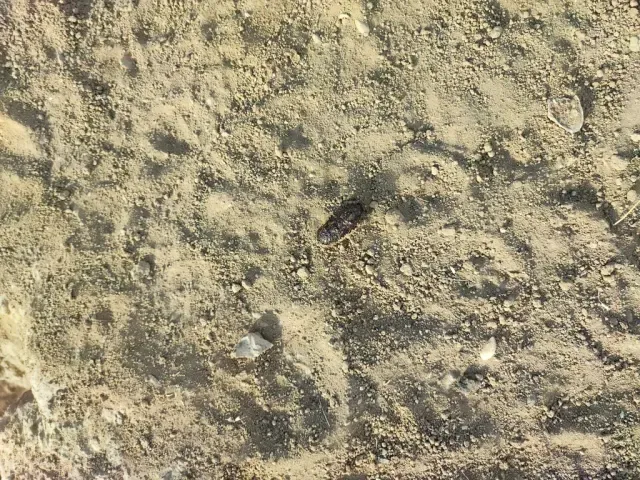
A photograph of real sign left by Corsac fox. Prints vary with gait, ground and how long they have been there — treat this as one example, not a template.
Track photo:Genriyetta PulikovaCC BY
Sources
Sources: Corsac fox — Wikipedia, Korsakräv — Wikipedia (sv) — read 2026-10-29
Cross-reference
Related species
Its closest relatives in the compendium, nearest kinship first.
Predators & furbearers
Red fox
Vulpes vulpes
Same genus (Vulpes)
Predators & furbearers
Arctic fox
Vulpes lagopus
Same genus (Vulpes)
Predators & furbearers
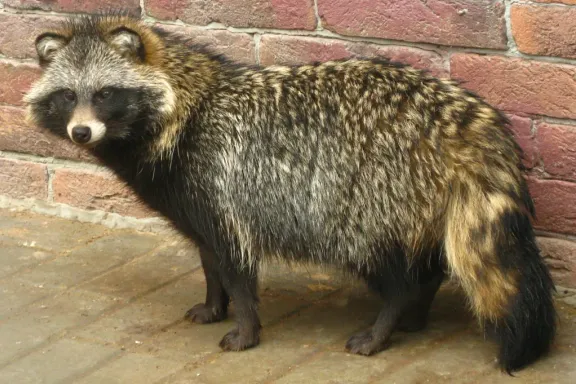
Raccoon dog
Nyctereutes procyonoides
Same family (Canidae)
Predators & furbearers
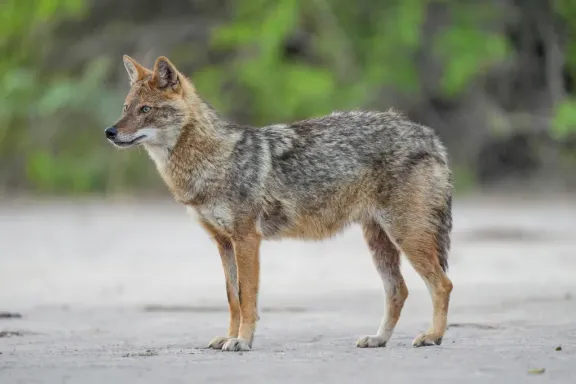
Golden jackal
Canis aureus
Same family (Canidae)
Predators & furbearers
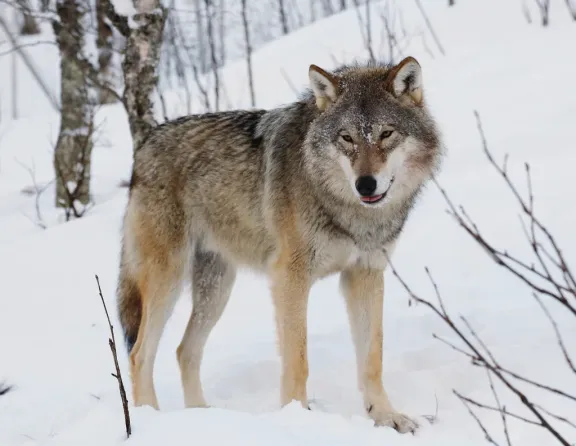
Gray wolf
Canis lupus
Same family (Canidae)
Predators & furbearers
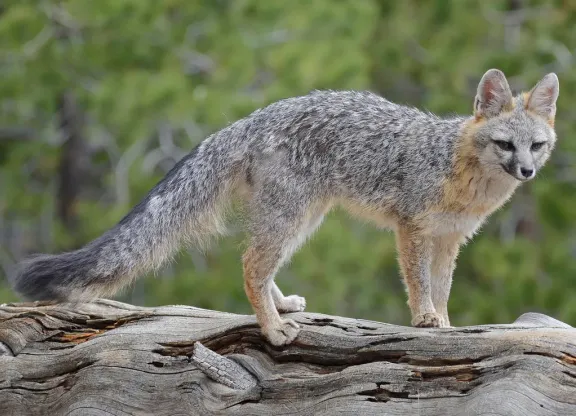
Gray fox
Urocyon cinereoargenteus
Same family (Canidae)