Predators & furbearers
European polecat
Mustela putorius
- Group
- Predators & furbearers
- Size class
- Small (under 10 kg)
- Family
- Mustelidae
Range
- Europe
Habitat
- Farmland
- Wetland
Range
Countries it is found in
42 countries
- Albania
- Austria
- Belarus
- Belgium
- Bosnia & Herzegovina
- Bulgaria
- Croatia
- Czechia
- Denmark
- Estonia
- Finland
- France
- Germany
- Greece
- Hungary
- Isle of Man
- Italy
- Kosovo
- Latvia
- Liechtenstein
- Lithuania
- Luxembourg
- Moldova
- Montenegro
Range from:ASM Mammal Diversity Database, GBIF occurrence records — read 2026-08-05
Chapter 01
Overview
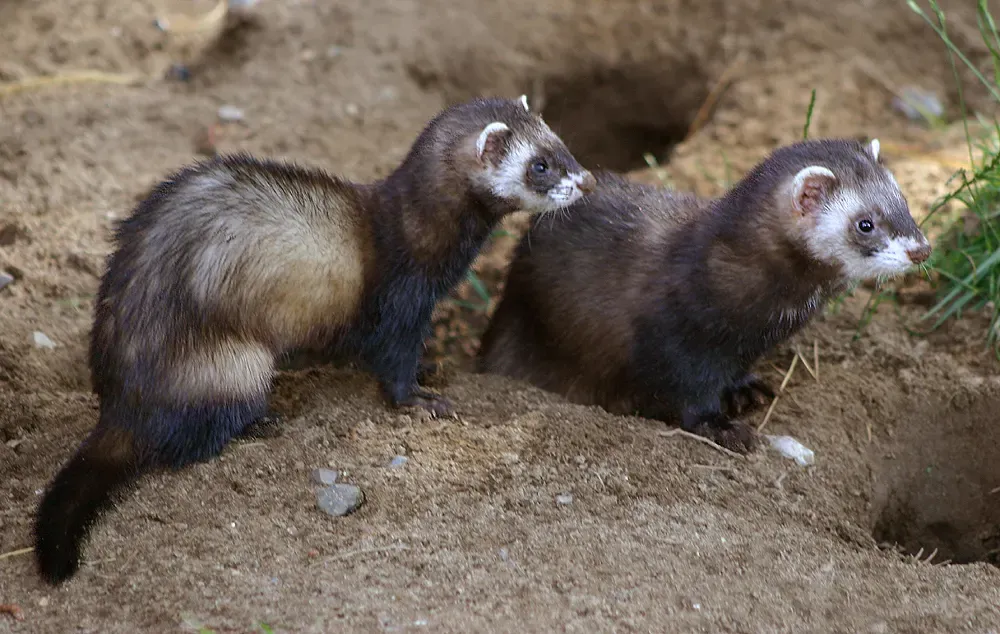
The European polecat (Mustela putorius), also the black or forest polecat, is a mustelid of Europe and the Rif mountains. It is generally dark brown with a pale underbelly and a dark mask across the face; colour mutations including albinos and leucists occur occasionally. It is widespread in the western Palearctic to the Urals, but absent from Ireland, northern Scandinavia, and much of the Balkans and the eastern Adriatic coast, occurring only marginally in northern Greece. In Morocco it lives in the Rif from sea level to 2,400 m. Its domesticated form, the ferret, was introduced to Britain, some Mediterranean islands and New Zealand. The English name first appears after the Norman Conquest as polcat; the first syllable may derive from the French poule, 'chicken', for the animal's fondness for poultry, or from Old English fūl, 'foul'. In Middle English it was the foumart — 'foul marten' — after its smell.
Chapter 02
Identification
It has a shorter, more compact body than other Mustela species, a more powerfully built skull and dentition, and is less agile than its relatives. The dark facial mask against the paler face is the field mark. It is best known for the ability to secrete a particularly foul-smelling liquid to mark its territory, which is where nearly every name it has ever had comes from.
Chapter 03
Behaviour
Polecats hold home ranges that vary with season, habitat, sex and social status. Breeding females settle into discrete areas, while breeding males and dispersing juveniles range more fluidly and move more. Both sexes share ranges with others of the same sex, and males range more widely than females, but evidence of territorial marking is sparse. They use several den sites spread through the range and are often most active around rabbit warrens; some use farm buildings or haystacks as daytime resting places. Breeding is seasonal with no courtship ritual: the male grabs the female by the neck and drags her about to stimulate ovulation, then copulates for up to an hour. The species is polygamous. Gestation is 40–43 days and litters, usually born in May or early June, hold five to ten kits weighing 9–10 g and measuring 55–70 mm, blind and deaf at birth. The diet is mouse-like rodents first, then amphibians and birds. In spring and winter amphibians — especially grass frogs and green toads — become important, though because they carry little energy the polecat never grows fat on them however many it eats. Its selective predation on male frogs measurably reduces polyandry in frog populations.
Chapter 04
Hunting
Polecat hunting was once a favourite sport of the Westmorland dalesmen and the Scots, who hunted them at night in midwinter, and hunting them by moonlight was a popular diversion among midland schoolboys. Until the mid-19th century polecats in Britain were hunted from early February to late April with mixed packs on the Welsh hills and Lakeland fells, with otterhounds used on the fells, the Border country and the Scottish Lowlands. Most human-caused polecat deaths, though, have been accidental — mostly in steel traps set for rabbits.
Sources
Sources: European polecat — Wikipedia — read 2026-08-05
Cross-reference
Related species
Its closest relatives in the compendium, nearest kinship first.
Predators & furbearers
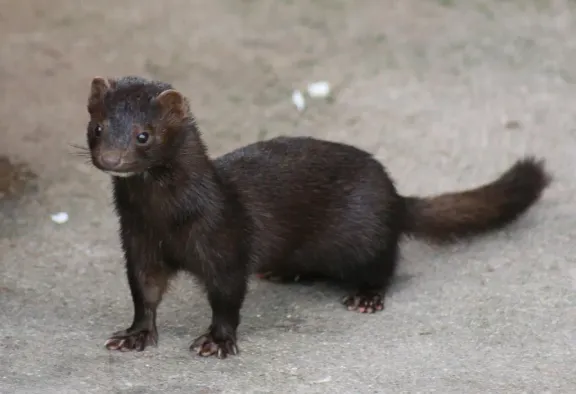
American mink
Neogale vison
Same genus (Mustela)
Predators & furbearers
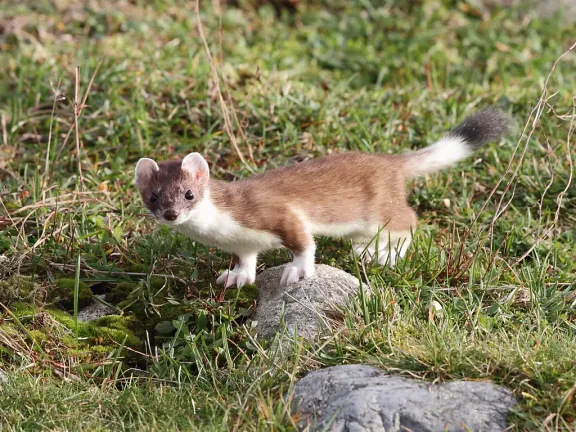
Stoat
Mustela erminea
Same genus (Mustela)
Predators & furbearers
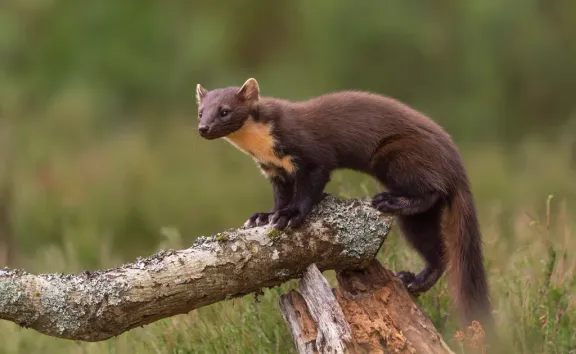
European pine marten
Martes martes
Same family (Mustelidae)
Predators & furbearers
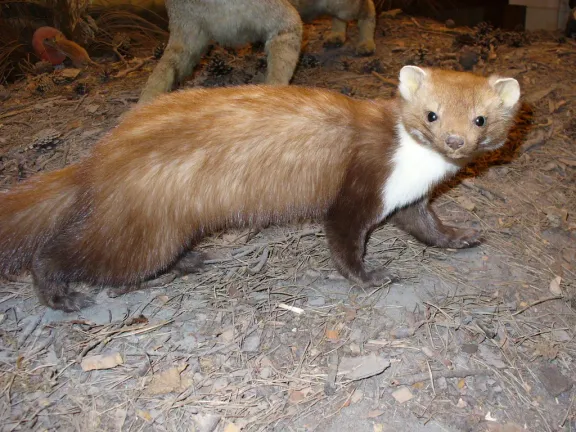
Stone marten
Martes foina
Same family (Mustelidae)
Predators & furbearers
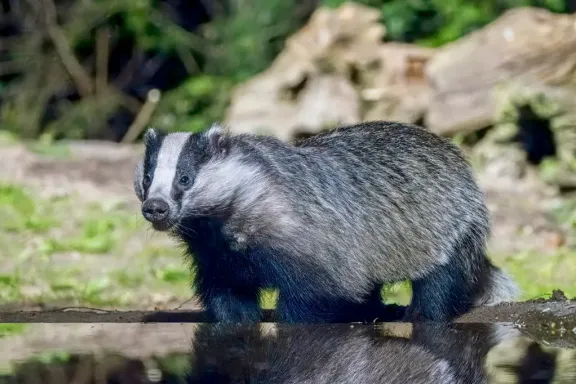
European badger
Meles meles
Same family (Mustelidae)
Predators & furbearers
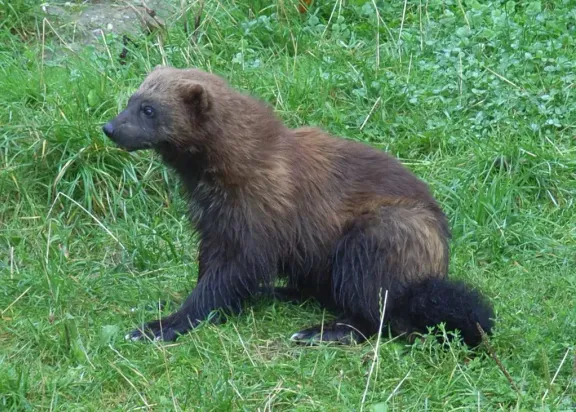
Wolverine
Gulo gulo
Same family (Mustelidae)