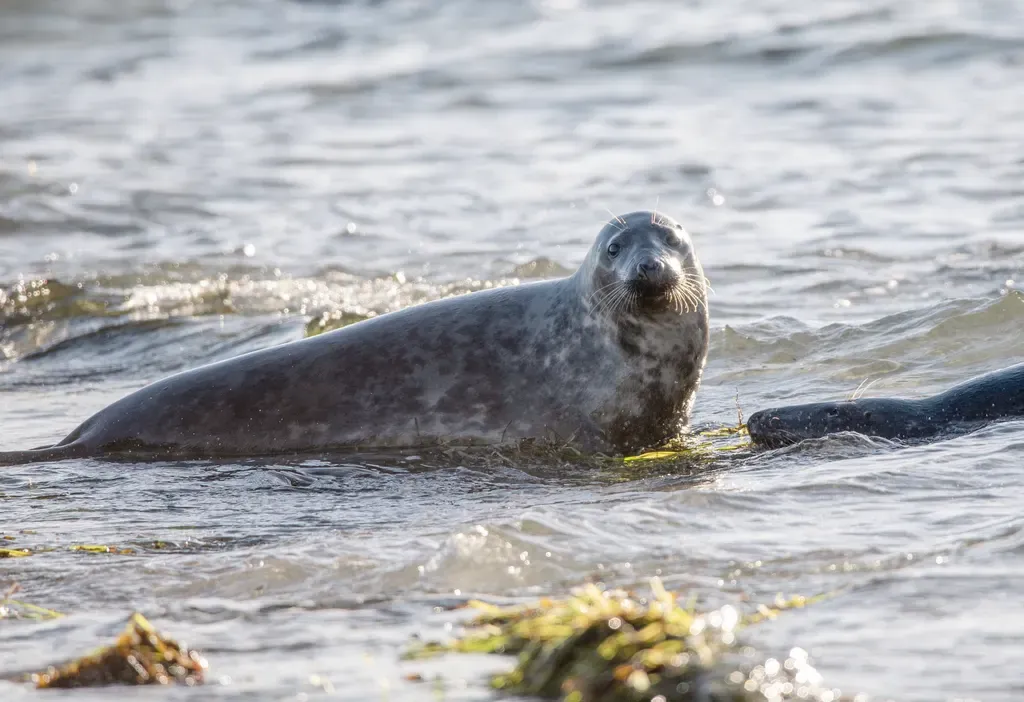
Photo:Lucc77CC BY-SA 4.0
Predators & furbearers
Grey seal
Halichoerus grypus
- Group
- Predators & furbearers
- Size class
- Large (70–300 kg)
- Family
- Phocidae
Range
- Europe
- North America
- Arctic
Habitat
- Coast
Range
Countries it is found in
27 countries
- Åland Islands
- Belgium
- Canada
- Denmark
- Estonia
- Faroe Islands
- Finland
- France
- Germany
- Greenland
- Guernsey
- Iceland
- Ireland
- Isle of Man
- Jersey
- Latvia
- Lithuania
- Netherlands
- Norway
- Poland
- Portugal
- Russia
- Spain
- St. Pierre & Miquelon
Range from:ASM Mammal Diversity Database, GBIF occurrence records — read 2026-08-05
Chapter 01
Overview
The grey seal (Halichoerus grypus) is a large true seal found on both shores of the North Atlantic, the only species in the genus Halichoerus — Latin for 'hook-nosed sea pig'. It is also called the horsehead seal, after its large head. It is resident in 18 countries including Sweden, Finland, Estonia, Denmark, Norway, Iceland, the UK, Ireland and the United States, and turns up as a vagrant in Greenland and Portugal. The global population was estimated at about 632,000 in 2016. Two subspecies are recognised; the type specimen of H. g. grypus, caught off Amager in the Danish Baltic in 1788, was thought lost for many years, rediscovered in 2016, and DNA-tested to be a Baltic rather than a Greenland animal.
Chapter 02
Identification
Large and heavy. In the eastern Atlantic males are typically 1.95–2.3 m long and weigh 170–310 kg, while females are much smaller at 1.6–1.95 m and 100–190 kg. Western Atlantic animals are often considerably bigger, with males averaging up to 2.7 m. The head is the mark the common names point at: long, heavy and straight-profiled, quite unlike the small round head of a harbour seal.
Chapter 03
Behaviour
Grey seals spend most of their time at sea, hauling out on rocks, islands and shoals not far from shore and occasionally coming right ashore to rest. The Baltic subspecies most often hauls out at night, starting just after sunset — behaviour probably tied to its main prey, Atlantic herring, which schools by day and disperses at night. Breeding colonies, called rookeries, are generally on beaches and remote islands, though in the Baltic and the Gulf of St Lawrence grey seals have been known to breed on sea ice. Females generally return to the exact place they were born to give birth, though they sometimes go to a different rookery. Females reach sexual maturity at three to five years.
Chapter 04
Hunting
Grey seals were nearly extirpated in the United States by hunting for oil, meat and skins, with bounties paid on all kinds of seals until 1945 in Maine and 1962 in Massachusetts. The pressure now runs the other way. In 2013 fishermen on Cape Cod called for a cull of the rising grey seal population over concerns about the local cod catch, and in 2012 there was a controversial proposal to cull 70,000 grey seals in Scotland.
On the table
Meat & cooking
Table grade 2 of 52/5
- Sold as meat in a legal market
- Has a named traditional dish
- Published way to handle and cook it
- Eaten in more than one country
- No known health advisory
Before you eat it: Livsmedelsverket names seal among the Swedish wild animals that can carry trichinella, alongside wild boar, bear, wolf, lynx, fox and wolverine. Meat from a trichinella-carrying animal must be tested before it is eaten; the parasite dies at around 60–65 °C in an oven but needs over 70 °C on a grill, and some cold-tolerant strains survive freezing.
Traditional preparations
- Seal meat
- Grey seals were hunted for oil, meat and skins to the point of near extirpation in the United States, where bounties were paid on seals until 1945 in Maine and 1962 in Massachusetts. Seal hunting — Wikipedia
Sources
Sources: Grey seal — Wikipedia, Livsmedelsverket: Trikiner — read 2026-08-05
Cross-reference
Related species
Its closest relatives in the compendium, nearest kinship first.
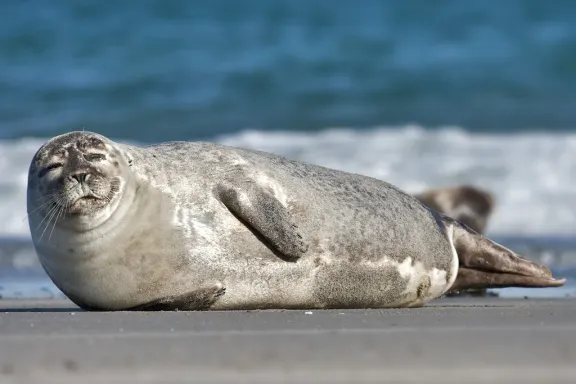
Predators & furbearers
Harbour seal
Phoca vitulina
Same subfamily (Phocinae)
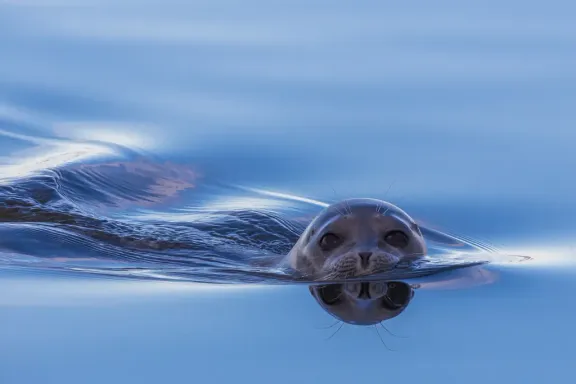
Predators & furbearers
Ringed seal
Pusa hispida
Same subfamily (Phocinae)
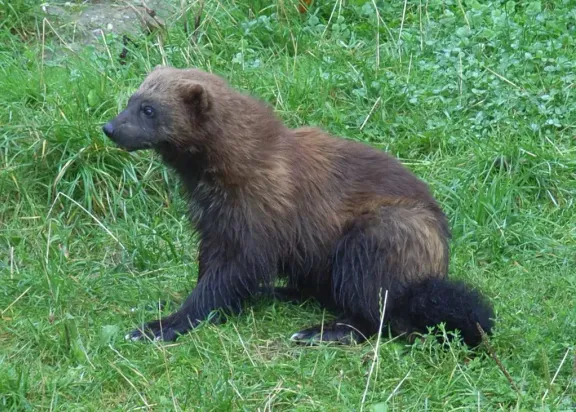
Predators & furbearers
Wolverine
Gulo gulo
Same order (Carnivora)
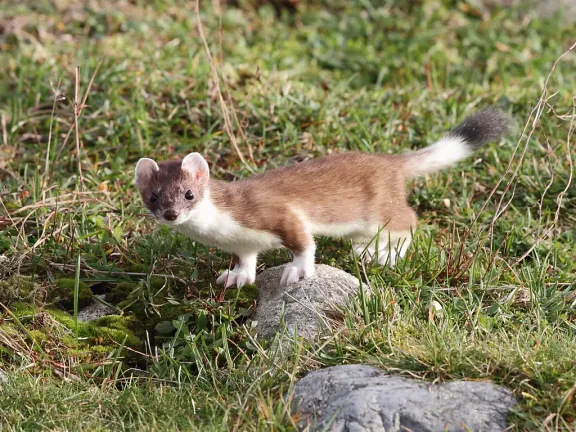
Predators & furbearers
Stoat
Mustela erminea
Same order (Carnivora)
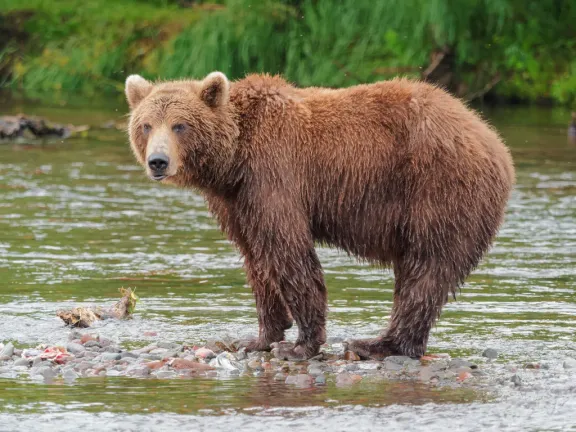
Predators & furbearers
Brown bear
Ursus arctos
Same order (Carnivora)
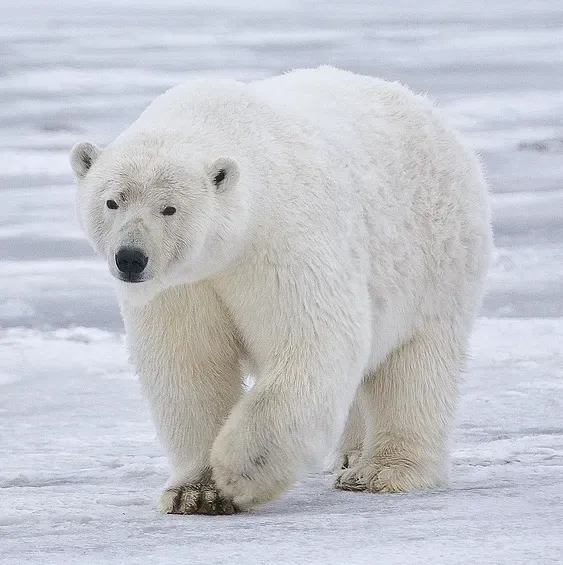
Predators & furbearers
Polar bear
Ursus maritimus
Same order (Carnivora)